
A full bathroom renovation is one of the most complex home improvement projects a homeowner can take on. While the finished space often steals the spotlight, the real work happens long before the final fixtures are installed. Understanding what goes on behind the scenes helps homeowners plan realistically, avoid costly surprises, and make informed decisions throughout the process. This guide walks through each phase of a complete bathroom renovation, highlighting the critical steps, hidden challenges, and practical considerations that shape a successful outcome.
Beyond visual upgrades, a successful renovation depends on preparation, coordination, and attention to details that are rarely visible once the project is complete. From early inspections to final quality checks, each phase affects how well the bathroom performs over time. By knowing what happens at each stage, homeowners can set accurate expectations, ask better questions, and feel more confident as the project moves forward.
Pre-Renovation Assessments That Prevent Major Setbacks
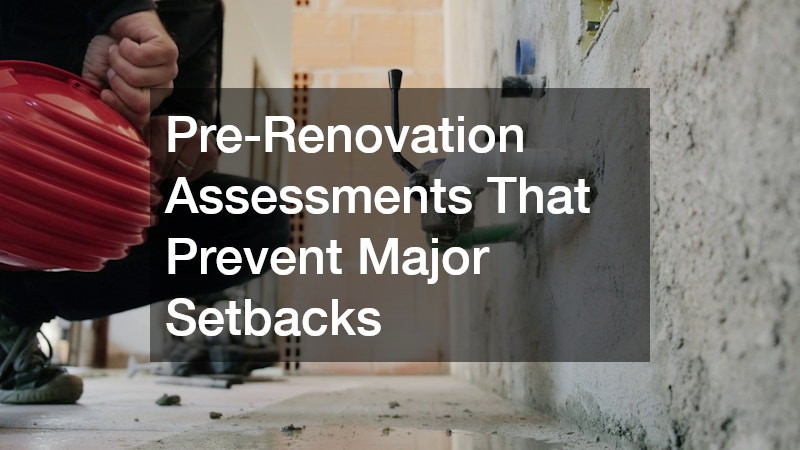
Before a single tile is removed, a thorough evaluation sets the foundation for a smooth renovation. Skipping this step often leads to unexpected delays and budget overruns that could have been avoided with early planning. Contractors typically evaluate existing plumbing, drainage, and waste systems while looking for signs of aging pipes, slow drains, or previous water damage that could affect the scope of work. These inspections also help determine whether existing systems can support new fixtures, such as larger tubs or multi-head showers, without requiring major upgrades.
In homes that rely on private waste systems, coordinating septic pumping services before demolition can prevent backups once plumbing is disconnected. Addressing this early avoids emergency interruptions that could stall the project mid-renovation. Homeowners also need to plan how the household will function without a usable bathroom, especially during multi-week projects.
Arranging a porta potty rental can help maintain daily routines and reduce stress while work is underway. Taking time to plan these logistics upfront makes the entire renovation more manageable. This preparation reduces the likelihood of last-minute decisions under pressure.
From a homeowner’s perspective, this stage is about asking the right questions and setting clear expectations. Understanding what inspections are included, how long utilities will be disrupted, and what contingencies are built into the plan helps eliminate uncertainty. Early transparency also creates a smoother working relationship with the contractor.
Preparing the Home and Job Site for Safe Work
Once initial assessments are complete, preparation shifts toward protecting the rest of the home. Although bathrooms are small, renovation work can affect air quality, flooring, and nearby rooms if not properly managed. Contractors usually seal off the work area to control dust and debris, protect flooring along access paths, and establish staging areas for tools and materials. These steps help limit the spread of construction mess and reduce cleanup time.
Certain phases of the renovation may require specialized machinery that isn’t kept onsite at all times. In these cases, equipment rental allows crews to work efficiently without overcrowding the space or bringing in unnecessary tools. This approach also ensures that tasks are completed correctly using equipment designed for the job. For homeowners, it means less disruption and a safer work environment.
Homeowners play an important role at this stage by preparing the space in advance. Clearing personal items, discussing work hours, and understanding daily access limitations can prevent friction once work begins. When expectations are clear, the renovation feels more controlled and less disruptive. Good preparation sets a positive tone for the entire project.
Demolition Realities and Structural Discoveries
Demolition is often the loudest and most disruptive phase of a bathroom renovation. It is also the stage where many hidden issues come to light for the first time. Once walls, floors, and fixtures are removed, contractors may uncover water-damaged framing, outdated plumbing routes, or structural modifications from previous remodels that no longer meet current standards. These findings often explain long-standing problems homeowners may not have fully understood before.
Unexpected discoveries can require immediate decisions that affect cost and timeline. For example, damaged framing may need replacement, or old plumbing may require rerouting to support new fixtures. In some situations, creating new pathways for plumbing or ventilation requires core drilling through concrete or masonry to preserve structural integrity. While this can add time, it ensures the renovation is built on a solid foundation.
For homeowners, this phase can feel unsettling due to the uncertainty involved. However, addressing these issues while everything is exposed is far more effective than ignoring them. Clear communication during demolition helps homeowners understand why changes are necessary. It also reinforces how these corrections protect the long-term value of the renovation.
Addressing Moisture, Air Quality, and Safety Issues

Bathrooms are inherently high-moisture environments, and renovations often uncover conditions that affect indoor air quality and safety. Contractors may find mold growth behind walls, moisture intrusion beneath flooring, or ventilation failures that allowed damp conditions to persist undetected. These issues can pose health risks if not addressed properly. Renovation provides a critical opportunity to resolve them correctly. With contamination present, mold remediation services ensure affected materials are safely treated or removed before reconstruction begins. This process helps prevent recurring mold problems that could damage new finishes.
In some homes, particularly those with basement bathrooms, radon solutions may also be addressed while walls are open. Handling these concerns during renovation is often more efficient and cost-effective than doing so later. Addressing the concerns early also supports the long-term durability of the renovation.
Homeowners benefit from understanding how these issues are identified and resolved. Asking about testing methods, containment procedures, and clearance verification helps build confidence in the process. Proper remediation protects both the home and the people living in it.
Framing, Subfloors, and Structural Reinforcement
After problem areas are addressed, reconstruction begins with rebuilding the bathroom’s structural framework. This phase determines how well the space will support fixtures, tile, and daily use over time. Contractors replace damaged studs and joists, reinforce floors for heavy tubs or stone surfaces, and rebuild walls to meet current building standards. These steps are critical for long-term performance. A reliable lumber supply ensures framing materials are straight, dry, and appropriate for humid bathroom conditions.
Subfloor quality is equally important, and materials sourced from reputable plywood suppliers help create a stable base for tile and fixtures. Proper subflooring reduces movement, prevents cracks, and supports heavier finishes. These hidden details make a significant difference in how the bathroom ages.
Homeowners should view this phase as an investment in durability rather than an area to cut corners. While the work won’t be visible once finishes are installed, it directly affects comfort and longevity. Asking about materials and installation methods helps homeowners understand the value being built into the space. Strong framing supports both aesthetics and function.
Plumbing, Venting, and Behind-the-Wall Systems
With framing complete, attention turns to plumbing and venting systems that will soon be hidden behind walls. Supply and drain lines may be rerouted to improve efficiency, accommodate new layouts, or meet updated codes. This stage is also ideal for replacing aging pipes that could fail in the future. Decisions made here are difficult to change later.
Proper venting plays a critical role in preventing slow drains, odors, and moisture buildup. Modern solutions, such as a conservation vent, can improve airflow while reducing the need for additional roof penetrations. These systems help balance pressure and improve drainage performance. Although unseen, they contribute to a quieter and more reliable bathroom.
Homeowners should take advantage of this stage to ask detailed questions. Understanding how systems are tested before walls are closed provides reassurance. Confirming that plumbing and venting are designed for long-term use helps protect the renovation investment. Careful planning here prevents future disruptions.
Managing Construction Waste and Material Removal
A full bathroom renovation generates a surprising amount of debris. Old fixtures, pipes, wiring, and framing materials must all be removed safely and efficiently. Responsible contractors separate recyclable materials from general waste and follow proper disposal practices. Organized waste management keeps the job site safer and cleaner.
Scrap metal recycling allows removed pipes, fixtures, and hardware to be reused rather than sent to landfills. This approach supports environmentally responsible renovation practices while reducing overall waste. Proper handling also minimizes sharp or hazardous materials left on-site. Efficient debris removal keeps the project moving smoothly.
Homeowners can support this process by discussing waste plans early. Confirming cleanup schedules and disposal areas helps avoid confusion. Clear expectations ensure the home stays as livable as possible during construction. Thoughtful waste management benefits both the homeowner and the environment.
Scheduling Trades and Avoiding Bottlenecks
Behind every successful bathroom renovation is careful scheduling among multiple trades. Plumbers, electricians, tile installers, and inspectors must work in a precise order to avoid rework. Delays in one phase can quickly affect the entire timeline. Clear coordination helps prevent downtime.
Access to shared tools through equipment rental allows crews to stay productive without waiting for specialized machinery. This flexibility is especially helpful in small bathrooms where space is limited. Efficient scheduling reduces labor overlap and keeps progress steady. Well-managed timelines lead to fewer surprises.
Homeowners can help avoid bottlenecks by staying responsive to questions. Prompt approvals and decisions keep the project on track. Understanding that even small changes can affect scheduling encourages thoughtful planning. Consistent communication supports smoother progress.
Inspections, Testing, and Quality Control
Before a bathroom renovation is considered complete, systems must be thoroughly tested and formally approved. Contractors check water pressure, drainage performance, and ventilation operation to ensure everything functions as intended under normal use. Inspectors then verify that all work complies with local building codes and safety standards. These steps protect both the homeowner and the property by confirming the renovation meets legal and functional requirements.
In certain homes, final system testing may include follow-up septic pumping services to confirm proper waste flow after plumbing changes. This ensures new installations integrate correctly with existing systems and do not create strain on downstream components. Thorough testing helps identify minor issues early, when corrections are simpler and less costly. Quality control at this stage is a critical safeguard against future repairs.
Homeowners should remain engaged during this phase rather than assuming all checks are purely procedural. Reviewing inspection results, operating fixtures, and observing drainage firsthand builds confidence in the finished work. Asking for clarification on test results or approvals ensures nothing is overlooked or misunderstood. Careful inspection protects the long-term performance, safety, and reliability of the renovation.
Final Cleanup and Project Closeout

The final phase focuses on making the bathroom fully usable and restoring the rest of the home. Contractors complete a deep cleaning of surfaces and fixtures, remove remaining debris, and address any final touch-ups. A walkthrough allows homeowners to identify concerns before the project officially closes. This step ensures expectations are met.
If temporary facilities were used, scheduling the removal of a porta potty rental often signals the end of construction. Homeowners should also receive maintenance guidance and warranty information at this stage. Keeping these records organized is important for future reference. Proper closeout provides peace of mind.
A well-managed finish helps homeowners transition smoothly back to everyday use. Addressing final details promptly prevents lingering issues. This phase confirms that the renovation is truly complete. Attention to closeout details reflects overall project quality.
A full bathroom renovation involves far more than selecting finishes and fixtures. Each behind-the-scenes phase plays a vital role in the success of the project and the durability of the finished space. Homeowners who understand these steps are better prepared to communicate clearly with contractors, make informed decisions, and anticipate challenges before they become costly problems. This awareness helps set realistic expectations around timelines, budgets, and the level of disruption involved.
Taking the time to understand how planning, preparation, and system upgrades work together also leads to better long-term outcomes. When structural details, ventilation, and moisture control are handled correctly, the finished bathroom performs better and requires fewer repairs over time. Thoughtful execution reduces stress during construction and minimizes surprises after completion. With careful planning and attention to detail, a bathroom renovation can provide lasting comfort, reliable performance, and meaningful value for years to come.