
If your energy bills keep climbing no matter how careful you are with the thermostat, the real problem might not be your habits but the systems hiding behind your walls, roof, and yard. Many homes still run on outdated heating, cooling, water, and structural components that quietly waste energy every single day. Modernizing these systems is one of the most effective ways to lower monthly costs, increase comfort, and boost your property value. This guide breaks down the key areas worth evaluating, from your roof to your driveway, so you can prioritize upgrades that actually move the needle.
Rethinking How You Heat Your Home
Home heating is often the single largest energy expense for property owners, especially in older houses that were never designed with efficiency in mind. Many homeowners still rely on heating oil to warm their homes, and while modern oil furnaces have improved significantly, aging tanks and inefficient burners can quietly drain both fuel and money. Before assuming you need a full system replacement, it helps to have a technician evaluate your current setup, including insulation levels, ductwork condition, and thermostat programming.
Upgrading to a high efficiency furnace or exploring a switch to a different fuel source can reduce consumption dramatically over a single heating season. Homeowners who stick with oil heat should still consider newer, condensing models that extract more usable heat from every gallon burned.
- Schedule an annual inspection to catch inefficiencies before winter
- Replace furnace filters every one to three months
- Seal gaps around ductwork joints and vents
- Ask about programmable or smart thermostats compatible with your system
Evaluating Your Roof for Energy Loss
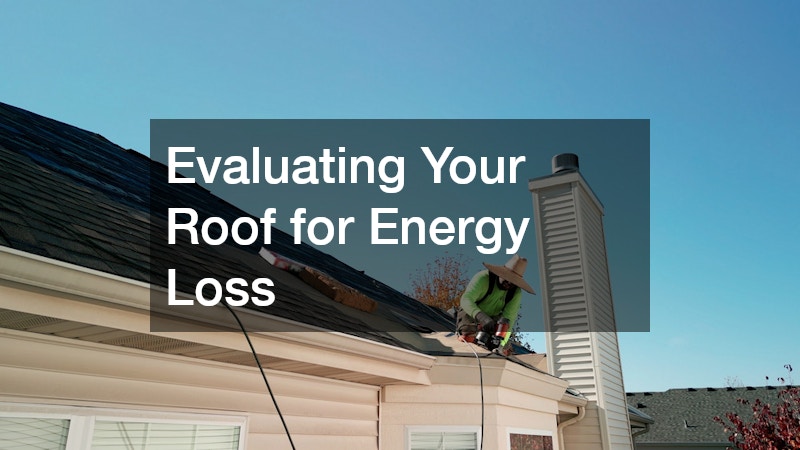
Most homeowners think of their roof purely as protection from rain and wind, but it also plays a major role in temperature regulation. Poor insulation, aging shingles, and inadequate ventilation under residential roofing can let conditioned air escape through the attic, forcing your HVAC system to work overtime. In fact, the Department of Energy estimates that attics without proper insulation can account for up to 25% of a home’s total heat loss in winter months.
Several warning signs point to a roof that’s compromising your energy efficiency. Uneven snow melt on the roof’s surface, ice dams forming along the eaves, or noticeably higher utility bills during peak seasons all suggest heat is escaping where it shouldn’t. Inside the attic, look for insulation that’s compressed, damp, or thinner than the recommended R-38 to R-60 range for most climates.
Ventilation deserves equal attention alongside insulation. A balanced system of intake vents at the soffits and exhaust vents at the ridge helps regulate attic temperature year-round, preventing both winter heat loss and summer heat buildup that strains air conditioning. Without this airflow, moisture can also accumulate and degrade roofing materials faster than normal wear would suggest.
A roof that is fifteen years or older is worth a professional inspection, even if there are no visible leaks yet. An experienced contractor can use infrared imaging to spot hidden thermal leaks, assess whether your ventilation ratio meets current building codes, and recommend whether targeted repairs or a full re-roofing project offers the better long-term return on energy savings.
Your roof is one of the biggest factors in your home’s energy performance, since a poorly insulated or aging roof can let significant heat escape in winter and let outdoor heat pour in during summer. Before deciding between repairs or a full replacement, it’s worth having a professional inspect for damaged flashing, deteriorating underlayment, and insufficient insulation, all of which contribute to energy loss.
When it comes time for repairs or a full replacement, working with experienced residential roofers matters just as much as the materials you choose. A qualified contractor can assess attic insulation levels (typically R-38 to R-60 is recommended for most climates), identify air leaks around vents and chimneys, and recommend a system tailored to your regional weather patterns.
Reflective shingles, proper attic ventilation, and radiant barrier products can all reduce heat transfer into your living space during summer months. Reflective or “cool roof” shingles can lower roof surface temperatures by up to 50 degrees Fahrenheit compared to traditional dark shingles, while balanced intake and exhaust ventilation helps prevent moisture buildup that degrades insulation over time.
A well-installed roof system pays for itself over time through lower cooling costs and fewer emergency repairs. Homeowners can often see a 10 to 15 percent reduction in cooling costs after upgrading to energy-efficient roofing materials, making it a worthwhile long-term investment.
- Check attic insulation depth at least once a year; aim for R-38 to R-60 (roughly 12-16 inches) in most climates
- Look for daylight gaps, water stains, or musty odors as early warning signs of leaks or moisture buildup
- Inspect flashing around chimneys, vents, and skylights, since these areas are common sources of hidden air and water leaks
- Ask contractors about reflective or energy rated shingle options, such as cool roof or Energy Star-rated materials, to reduce summer heat gain
- Ensure proper soffit and ridge ventilation for airflow, following the general rule of 1 square foot of ventilation per 300 square feet of attic space
- Consider a professional energy audit or infrared scan to pinpoint exact heat loss locations before investing in repairs
Water Efficiency Starts in the Bathroom

Bathrooms are one of the biggest sources of hidden water and energy waste in a home, thanks to old fixtures, leaky pipes, and inefficient water heaters. A single running toilet can waste over 200 gallons a day, while an outdated showerhead may use twice as much water as a WaterSense-certified model without providing any noticeable improvement in pressure.
A reputable bathroom remodeling company can help identify where low-flow toilets, efficient showerheads, and better-insulated hot water lines would make the biggest difference. Many will conduct a walkthrough to check water pressure, inspect for leaks around the base of toilets and under sinks, and evaluate whether your water heater is sized appropriately for household demand.
Simple swaps often deliver outsized results: a WaterSense-labeled toilet uses 1.28 gallons per flush or less, compared to 3.5 gallons or more in older models, and low-flow showerheads can cut hot water use by 20-40% without sacrificing comfort. Insulating hot water lines reduces the energy lost as water travels from the heater to the tap, which means less waiting and less wasted water down the drain.
These upgrades often pay for themselves within a few years through reduced utility bills, and many municipalities offer rebates for WaterSense-certified fixtures that shorten that payback period even further.
It is also worth having a licensed plumber assess your pipes and water heater setup before starting any remodeling project. Older tank-style water heaters lose heat constantly to standby loss, sometimes cycling on and off dozens of times a day just to keep water warm, while tankless units only heat water on demand, which can meaningfully cut energy use and often lasts five to ten years longer.
Plumbers can also catch small leaks that quietly waste both water and the energy used to heat it. A faucet dripping just once per second can waste over 3,000 gallons a year, and hidden leaks behind walls or under fixtures often go unnoticed until a remodel exposes them.
Beyond leaks, plumbers can evaluate whether your pipe insulation, water pressure, and heater sizing actually match your household’s needs, since an oversized or poorly insulated system wastes energy no matter how efficient the fixtures upstream are.
- Install low-flow showerheads (1.5 GPM or less) and faucet aerators (1.0-1.5 GPM) to cut water use by up to 30% without sacrificing pressure
- Consider a tankless water heater for on-demand heating and energy savings, or a heat pump water heater, which can be 2-3x more efficient than standard tank models
- Insulate exposed hot water pipes in unfinished spaces like basements or crawl spaces to reduce heat loss and speed up hot water delivery
- Fix dripping faucets and running toilets promptly—a single leaky faucet can waste over 3,000 gallons per year
- Check toilet flappers annually, since a worn one is a common cause of silent leaks and higher water bills
- Upgrade to a WaterSense-labeled toilet if yours predates 1994, since older models can use 3-6 gallons per flush versus 1.28 gallons or less today
Preparing Your Home for Electric Vehicles
As more households add an electric or hybrid vehicle to the driveway, having the right charging setup at home becomes a practical necessity rather than a luxury. Installing a home ev charger allows for faster, safer overnight charging compared to relying on a standard household outlet, and it can be paired with time-of-use electricity plans to save money. A licensed electrician can determine whether your electrical panel has enough capacity or needs an upgrade first.
Beyond convenience, a properly installed charging station adds resale value and future-proofs your property as EV adoption continues to grow. It is worth researching available utility rebates or tax incentives, since many regions offer financial support for residential charging installations.
- Confirm your electrical panel can handle the added load
- Choose between Level 1 and Level 2 charging based on daily driving needs
- Look into local rebates before scheduling installation
- Position the charger for easy access to your parking area
Planning Renovations With Efficiency in Mind

Any time you undertake home renovations, it is worth treating energy efficiency as a core part of the plan rather than an afterthought. Whether you are finishing a basement, expanding a kitchen, or updating windows, these projects are the ideal time to add insulation, upgrade wiring, or improve airflow. Trying to retrofit efficiency later is almost always more expensive than building it in during construction.
A whole-home approach also helps you avoid fixing one problem while ignoring another connected system. For example, adding new windows without addressing attic ventilation can create moisture issues down the road. Working with contractors who understand how these systems interact leads to better long-term results.
- Bundle insulation upgrades with any wall or ceiling work
- Choose double or triple pane windows during replacements
- Ask contractors about air sealing during larger projects
- Get a home energy audit before finalizing renovation plans
Landscaping Choices That Support Efficiency
Your yard has more influence on home energy use than most people realize, particularly when it comes to shading and soil moisture retention. Strategic tree placement can shield south and west facing walls from intense summer sun, reducing the load on your cooling system. Groundcover materials also matter, and many homeowners use bark dust around foundation plantings to help retain soil moisture and reduce watering needs.
Reducing water evaporation and stabilizing soil temperature around your home’s perimeter can indirectly support a more stable indoor climate as well. Mulched beds also reduce weed growth, which means less mowing and trimming equipment running near your house.
- Plant deciduous trees on the sun-facing sides of your home
- Refresh mulch or bark dust layers seasonally for best results
- Group plants with similar water needs together
- Avoid placing dense shrubs directly against exterior walls
Protecting Your Home’s Envelope From Pests
Energy efficiency and pest prevention are more connected than most homeowners assume, since insects and rodents often enter through the same gaps that let conditioned air escape. Effective perimeter insect control programs typically include sealing small cracks around foundations, utility entry points, and window frames, which doubles as an air sealing measure. This is especially valuable in older homes where settling has created new gaps over the years.
Scheduling regular perimeter treatments alongside a visual inspection for structural gaps can prevent both pest infestations and unwanted drafts. It is a small, often overlooked step that supports the larger goal of a tightly sealed, efficient home.
- Inspect foundation and siding for cracks twice a year
- Seal utility penetrations with appropriate caulking or foam
- Keep mulch and vegetation a few inches away from siding
- Schedule preventative treatments before peak insect seasons
Reducing Household Energy Demand Beyond the House
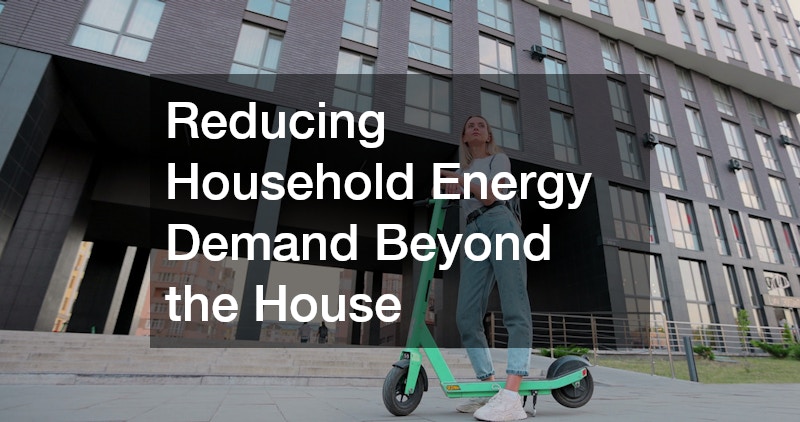
Modernizing your home is not only about appliances and insulation, it also includes rethinking daily energy habits that add up over time. Short local trips are a good opportunity to skip the car entirely, and many neighborhoods now offer electric bike rental programs that make errands faster without adding to your electricity bill through home charging. This is especially useful for households considering how much daily driving affects their overall energy footprint.
Small shifts like this complement bigger system upgrades by reducing overall demand rather than just making existing demand more efficient. Combining transportation choices with home improvements creates a more complete picture of household energy use.
- Use alternative transportation for trips under a few miles
- Track monthly fuel and electricity costs to see real savings
- Combine errands to reduce total trips
- Consider household transportation habits as part of your energy plan
Modernizing your home’s systems does not have to happen all at once, but understanding where energy is being wasted gives you a clear roadmap for prioritizing upgrades. Start with an inspection of your heating system and roof, then work through water use, electrical capacity, and even outdoor maintenance habits. Each improvement builds on the last, creating a home that is more comfortable, less costly to run, and better prepared for the future. Taking the first step, whether that is a professional energy audit or a single fixture upgrade, puts you firmly on the path toward a more efficient home.