
Upgrading your home’s systems and structures, whether it is a new roof, a smarter security setup, or a more efficient HVAC unit, can feel overwhelming when you are also trying to keep your property safe from theft, weather, and construction hazards. Renovation projects create temporary vulnerabilities, from open entry points to unlocked equipment storage, that opportunistic intruders or unexpected damage can exploit. The good news is that with the right planning, sequencing, and contractor choices, you can complete major upgrades without compromising your home’s safety or your peace of mind. This guide walks through the practical steps homeowners should take to protect their property while modernizing it.
Choosing the Right Professionals Before Work Begins
The foundation of a safe renovation starts long before any tools come out, with the people you hire to do the work. Vetting a painting contractor or any tradesperson thoroughly protects both your home and your wallet, since unqualified workers can leave doors unlocked, mishandle materials, or create safety hazards that linger after the job is done. Always check licensing, insurance, and references before signing a contract, and ask how the crew plans to secure the site each day when work wraps up.
Larger projects that touch multiple systems at once, such as a whole-home remodel involving plumbing, framing, and electrical work, benefit from working with one of the best remodeling contractors in your area rather than juggling several disconnected subcontractors. A single accountable project manager reduces the chances of miscommunication that can leave your home exposed, like an exterior wall left open overnight. Ask potential contractors directly about their site security protocols before you commit.
- Confirm licensing and general liability insurance in writing
- Ask for at least three recent local references
- Request a written daily site closing checklist
- Clarify who is responsible for locking up each evening
- Verify workers’ compensation coverage for onsite crews
Protecting Your Home During Roof Replacement or Repair
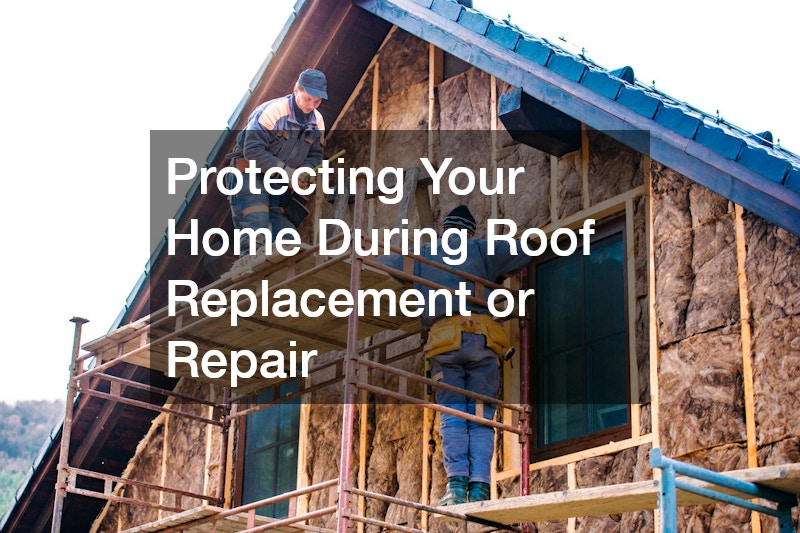
A roofing project opens your home to the elements and, temporarily, to easier access for anyone looking to break in through an exposed attic or upper window. Reputable roofers will tarp and secure any open sections at the end of each workday, and homeowners should confirm this is standard practice before the project starts. Ask about how debris, ladders, and tools are stored overnight, since unsecured equipment left in a yard can be an invitation for theft or an injury risk for children and pets.
If you own a multi-unit property, storefront, or mixed-use building, the considerations shift slightly, since commercial roofing contractors often work on larger surfaces with different access points, drainage systems, and equipment needs. These jobs can take longer and involve more foot traffic on the property, so it is worth asking upfront how the crew will manage site perimeter security throughout the project. A clear timeline and communication plan reduces the number of days your building sits partially exposed.
- Ask how open roof sections are covered overnight
- Confirm where ladders and tools are stored after hours
- Request a projected completion timeline with milestones
- Ask about permits and inspections tied to the work
- Discuss debris removal schedules to avoid yard hazards
Handling Emergency Roof Damage Safely
Storm damage, fallen branches, or aging shingles can create sudden vulnerabilities that need immediate attention rather than waiting for a scheduled renovation. A qualified roofer should be able to respond quickly to stabilize the area, tarping any holes and removing hazardous debris before further damage or unauthorized access becomes a concern. Delaying repairs after a storm not only risks water damage but can also leave an easy entry point for pests or intruders.
When choosing who to call in an emergency, look for a provider who offers around-the-clock service and can document the damage for insurance purposes. Photos and a written assessment help speed up claims while also giving you a clear record of what was fixed and when. Keeping this documentation also helps if you sell your home later and need to show a history of prompt, professional repairs.
Upgrading Access Control Before You Renovate
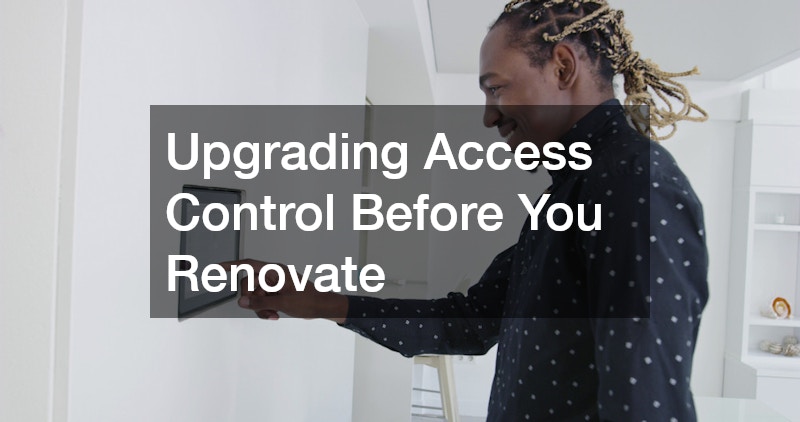
Whenever your home undergoes structural changes, it is worth reevaluating how people enter and exit the property, especially if you are adding new doors, gates, or a home office with separate access. Modern access control installation allows homeowners to manage entry through keypads, smart locks, or card readers instead of relying solely on traditional keys that contractors and workers may need copies of. This is particularly useful during long projects, since you can grant temporary codes to crews and revoke them the moment the job is finished.
Beyond convenience, these systems provide a clear record of who entered your property and when, which can be valuable if tools or materials go missing during a project. Many systems now integrate with smartphone apps, letting you monitor entry remotely even if you are not on-site during construction hours. Investing in this upgrade at the start of a renovation, rather than after an incident, tends to save both money and stress.
- Choose keypad or app-based locks that allow temporary codes
- Set expiration dates for contractor access automatically
- Review entry logs weekly during active construction
- Pair access control with visible signage as a deterrent
- Confirm the system has battery backup for power outages
Managing Drainage and Grading Changes Around Your Property
Structural upgrades often change how water moves around your home, especially if you are adding a driveway, patio, or new landscaping features. Proper catch basin installation helps redirect stormwater away from your foundation and prevents pooling that can erode soil or damage a newly upgraded structure. Ignoring drainage during a renovation is one of the most common oversights homeowners make, and it can undo the benefits of an otherwise solid upgrade.
Before finalizing any exterior project, ask your contractor to walk the property and identify low points where water naturally collects. A properly placed drainage system not only protects your foundation but also reduces the risk of slippery, hazardous conditions near entryways during heavy rain. This is especially important if you are also updating walkways or adding outdoor living spaces that family members will use year-round.
- Identify low points on your property before construction begins
- Ask about pipe sizing appropriate for your local rainfall patterns
- Schedule drainage work before finishing landscaping or paving
- Request a maintenance schedule for clearing debris from basins
- Confirm grading slopes away from the foundation
Preventing Pest Problems During Structural Work
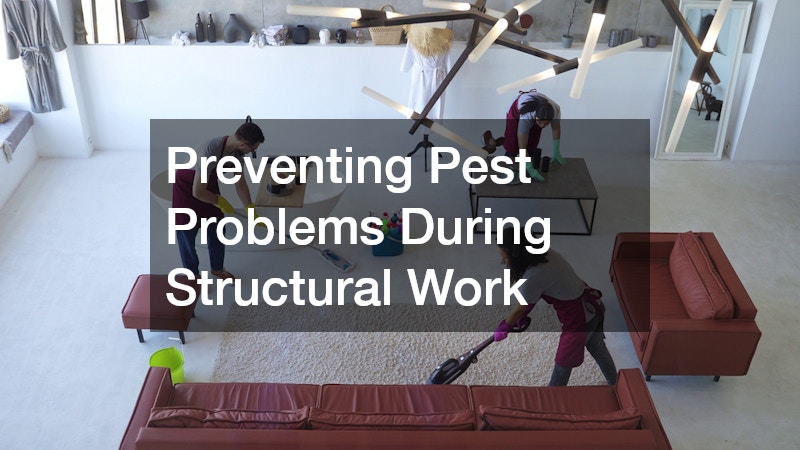
Renovation work, especially anything involving exposed wood framing or insulation, can create new opportunities for pests to enter your home if not addressed early. Scheduling safe termite control before walls are closed up again gives you a chance to treat vulnerable areas without exposing your family to harsh chemicals after the fact. This proactive step is far less disruptive than discovering an infestation months after your project is finished.
Ask your pest control provider about treatment options that are safe for households with children, pets, or anyone with chemical sensitivities, since many modern methods rely on targeted baiting rather than broad spraying. Timing this treatment to coincide with open-wall stages of a renovation also reduces labor costs, since crews can address problem areas while everything is already accessible. A short delay for treatment now can prevent thousands of dollars in structural damage later.
- Schedule inspections before walls are closed after framing work
- Ask about low-toxicity or family-safe treatment options
- Request a written warranty on any termite treatment performed
- Combine treatment with moisture control to prevent recurrence
- Reinspect annually even after a clean renovation
Improving Comfort with Modern Climate Control
Many homeowners use a larger renovation as an opportunity to update outdated heating and cooling systems, and ductless options have become increasingly popular for their flexibility. Mini split ac installation is especially useful in additions, converted garages, or older homes where extending traditional ductwork would be costly or impractical. These systems also allow room-by-room temperature control, which can reduce energy bills compared to running a whole-house system constantly.
Because these units require an exterior compressor and refrigerant lines running through an exterior wall, it is worth coordinating this installation with any other structural work happening at the same time to avoid redundant wall penetrations. Ask your installer about warranty terms and whether the unit qualifies for any local energy efficiency rebates. Planning this upgrade alongside other renovations also minimizes the number of times contractors need site access, which keeps your home more secure overall.
- Confirm the unit size matches your room’s square footage
- Ask about noise levels for both indoor and outdoor components
- Check for available rebates on energy-efficient systems
- Coordinate wall penetrations with other ongoing construction
- Request a maintenance schedule to keep the system running efficiently
Securing Garages and Outbuildings During Construction
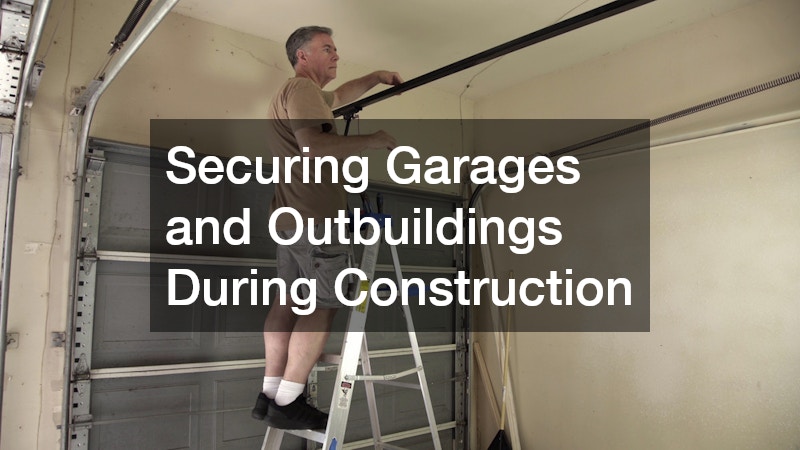
Garages often double as storage for tools, equipment, and sometimes valuables, which makes them a common target during any period of construction chaos. Contractors coming and going, doors propped open for material deliveries, and general distraction around the property all add up to more opportunities for something to go missing. Outbuildings and sheds face similar risks, especially if they sit farther from the house and out of easy line of sight.
If your garage door has been sticking, making unusual noises, or failing to seal properly, scheduling garage door repairs before a renovation begins closes an easy access point that might otherwise go unnoticed. A worn weather seal, a bent track, or a sensor that no longer triggers correctly can all leave gaps wide enough to force open. Getting these issues addressed ahead of time also means one less thing to troubleshoot once the property is already crowded with workers and equipment.
A damaged or malfunctioning door is one of the simplest vulnerabilities for intruders to exploit while a home is already in a state of disruption. Beyond the door itself, consider whether the opener’s remote codes need resetting if multiple people will have access during the project, and check that side or back entrances to the garage lock as securely as the main one. A cheap padlock or a keypad entry with a rotating code can add an extra layer of protection for outbuildings that don’t have a traditional lock system at all.
Beyond locking mechanisms, check that the automatic opener has a rolling code feature (most models made after the late 1990s do), which changes the signal each time you use the remote and prevents thieves from cloning it with a simple code-grabbing device. If your opener predates this technology, a replacement unit typically costs $150–$300 installed and pays for itself in peace of mind alone. It’s also worth adding a simple alarm sensor, battery-powered or hardwired, to the garage entry door leading into your home, since this is often the weakest link between an unsecured garage and your living space.
During active construction, avoid leaving the garage or outbuilding open for extended periods even when workers are present, since this creates a false sense of security and gives opportunistic thieves an easy window to walk off with tools or materials. For detached sheds or workshops being renovated, consider a temporary hasp and a hardened padlock (Grade 2 or higher) rather than relying on a flimsy factory latch. Motion-activated lighting near these structures adds another low-cost deterrent, especially useful during shorter winter workdays when crews may leave before dark.
A few small adjustments here go a long way toward keeping tools, vehicles, and household items protected, and they’re worth documenting for insurance purposes in case a claim ever becomes necessary during the renovation period.
- Test the auto-reverse safety feature monthly by placing a wood block in the door’s path—it should reverse immediately upon contact
- Replace worn weather seals to prevent tampering and block gaps that could hide makeshift entry tools
- Confirm your opener uses rolling security codes (not fixed codes) to prevent signal cloning from parked vehicles nearby
- Add a contact sensor to the interior garage door and link it to your main home security system for real-time alerts
- Install a battery backup on your opener so the door stays secure during construction-related power outages
- Keep valuables out of sight from garage windows, including tools and equipment left out by contractors overnight
- Consider a smart camera near outbuilding entrances to monitor deliveries and after-hours contractor access
Coordinating Multiple Projects Without Overexposing Your Home
When several upgrades happen at once, such as roofing, HVAC, and drainage work all in the same season, it is easy for security gaps to multiply if projects are not carefully sequenced. Create a shared calendar with each contractor so you know exactly which days workers will be present and which entry points will be open. This also helps you avoid scheduling conflicts that leave your property with multiple unsecured areas simultaneously.
Whenever possible, ask contractors to complete one structural opening before starting another, rather than having your roof, exterior walls, and garage all exposed at the same time. This staggered approach reduces the window of vulnerability and makes it easier for you or a trusted neighbor to keep an eye on the property. Clear communication between every professional involved, from a roofer to an HVAC installer, keeps everyone accountable to the same security expectations.
- Build a shared project calendar visible to all contractors
- Avoid overlapping open structural work whenever possible
- Assign a single point of contact to track daily site status
- Ask neighbors to watch the property during active construction hours
- Review each day’s progress before crews leave the site
Home upgrades do not have to come at the cost of your family’s safety or your peace of mind, as long as you plan carefully and choose professionals who take site security seriously. Start by evaluating which systems need attention most urgently, then build a realistic timeline that limits how many entry points are exposed at once. Ask direct questions about daily security practices before hiring anyone, and do not hesitate to invest in upgrades like modern access control or improved drainage that pay off long after construction ends. Taking these steps now will help you enjoy a safer, more comfortable home for years to come.