
Every home faces a yearly gauntlet of freezing nights, blazing afternoons, torrential rain, and howling wind, and each season leaves its mark on the parts of your house that never get a break: the roof, the siding, the driveway, the yard. Homeowners often notice damage only after it has become a bigger, costlier problem, long after the first warning signs appeared. Understanding how weather extremes stress specific exterior features helps you catch trouble early and budget for the right fixes at the right time. This guide walks through the most vulnerable areas of your home’s exterior and what seasonal extremes do to each one.
Roof Systems Under Sun, Ice, and Wind
Your roof absorbs more punishment than almost any other part of your home, cycling through expansion and contraction as temperatures swing from summer highs to winter lows. Asphalt shingles can reach surface temperatures well above 150°F on a hot summer afternoon, and that constant baking under intense UV rays drives off the oils that keep them flexible. Over time this leaves shingles brittle and granule-thin, which makes them far more prone to cracking once winter ice starts forming in the gaps and seams. Ice presents its own separate threat in the form of ice dams, which form when heat escaping from the attic melts snow on the upper roof while the eaves stay frozen. That meltwater refreezes at the edge, building a ridge of ice that backs up under shingles and forces water into the roof deck. Poor attic insulation and ventilation are usually the root cause, so a roof that looks fine in summer can still be failing quietly every winter. Wind uplift during storms compounds both problems by loosening edges and corners that were already weakened by heat exposure and repeated freeze-thaw cycles. Gusts as low as 50-60 mph can peel back shingles that have lost their adhesive seal, and even a small lifted tab creates a gap that channels wind-driven rain underneath. These openings rarely announce themselves; instead, they let water seep into the decking unnoticed until stains appear on ceilings or plywood begins to rot.
Roofs bear the brunt of every seasonal extreme, from summer heat that bakes shingles brittle to winter ice that forces its way under flashing. Because roof damage is often invisible from the ground, many homeowners only discover problems after a leak appears on an interior ceiling, and by then water may have already damaged insulation, drywall, or framing. Getting a professional opinion before that happens can save thousands in repair costs. Sun exposure alone can shorten a roof’s lifespan considerably. UV rays and prolonged heat cause asphalt shingles to lose their protective granules, dry out, and curl at the edges, while dark-colored roofing can reach surface temperatures of 150 degrees or more on a summer afternoon. That kind of thermal stress accelerates aging in ways that are easy to miss until a shingle actually cracks or blows off. Winter brings a different threat: ice dams. When heat escapes through poorly insulated attics, snow melts and refreezes at the roof’s edge, creating a ridge of ice that traps water and pushes it back under shingles. High winds compound the risk by lifting flashing around chimneys and vents, loosening nails, and exposing seams that were never designed to handle repeated flexing. Reputable roofing companies typically offer seasonal inspections that catch loose flashing, worn granules, or soft spots before they become emergencies. A thorough inspection usually includes checking attic ventilation, gutter condition, and the integrity of seals around skylights or vent pipes — small details that often determine whether a roof survives the next storm season intact.
- Watch for curling, cracked, or missing shingles after major storms, plus granule buildup in gutters, which signals accelerated aging
- Check attic insulation for moisture stains or dark streaks after heavy rain or snowmelt, since hidden leaks often show up here before they reach ceilings
- Clear debris from valleys and around chimneys where water tends to pool and ice dams commonly form
- Look for signs of wind uplift along roof edges and ridge caps, especially after gusts above 50 mph
- Inspect flashing around vents, skylights, and chimneys for gaps that widen with repeated freeze-thaw cycles
- Schedule a professional inspection each spring and fall for early detection, and again after any hailstorm or major wind event
Gutter Performance During Heavy Rain and Snowmelt
Gutters exist to move water away from your home, but seasonal extremes push them to their limits fast. Heavy spring rains can overwhelm clogged channels in minutes, sending water cascading down siding and pooling near the foundation. In winter, snow and ice add significant weight, which can pull gutters away from the fascia board entirely if they were not properly secured.
Regular cleaning matters, but so does making sure your gutter system is sized correctly for your roof’s runoff volume. Homes with steep rooflines or large surface areas often need wider channels or additional downspouts to keep pace with intense storms. Taking care of this before the rainy season arrives protects both your landscaping and your basement.
- Clean gutters at least twice a year, more often near trees
- Install gutter guards to reduce debris buildup
- Check downspouts extend at least four feet from the foundation
- Look for sagging sections after heavy snow loads
Foundation Cracks and Basement Moisture Intrusion
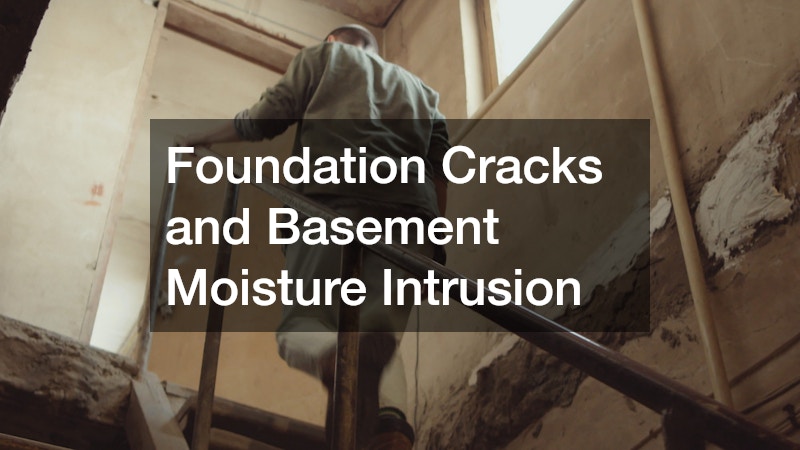
Extreme temperature swings cause soil around your foundation to expand and contract, and that movement puts steady pressure on concrete walls over time. In freezing climates, water that seeps into small foundation cracks can freeze and expand, widening those cracks each winter until they become serious structural concerns. Spring thaw then sends that trapped moisture further into the basement, often showing up as damp walls or a musty smell.
If you are considering basement finishing, addressing moisture control first is essential, since drywall and flooring installed over a damp foundation will fail within a few years. Waterproofing membranes, interior drainage systems, and proper grading all work together to keep basements dry before any finishing work begins. Skipping this step to save money upfront almost always costs more in repairs later.
- Grade soil away from the foundation at a slope of at least six inches over ten feet
- Seal visible cracks promptly with appropriate sealants
- Install a sump pump with battery backup for storm season
- Test basement humidity levels seasonally
Electrical Systems Exposed to Storms and Temperature Swings
Outdoor electrical components, including exterior outlets, light fixtures, and panel connections, take a beating during storm season. Lightning strikes, power surges, and moisture intrusion during heavy rain can all damage wiring that looks fine on the surface but is deteriorating underneath. Extreme cold can also cause insulation around older wiring to become brittle, increasing the risk of shorts when temperatures fluctuate rapidly.
Because working with damaged wiring carries real safety risks, this is one area where calling in a licensed electrician is worth the cost. A professional can inspect GFCI outlets, exterior lighting circuits, and panel grounding to make sure everything meets current safety standards. Doing this before storm season arrives, rather than after an outage, gives you time to fix problems calmly instead of in an emergency.
- Test GFCI outlets monthly, especially those near water sources
- Inspect exterior light fixtures for cracked seals after freezing weather
- Watch for flickering lights during storms, a sign of loose connections
- Consider surge protection for major appliances and HVAC equipment
Plumbing Lines and Outdoor Fixtures in Freeze Thaw Cycles
Outdoor spigots, irrigation lines, and any exposed plumbing near the exterior of your home are especially vulnerable to freeze thaw cycles. Water left in a hose bib or irrigation line can freeze, expand, and crack pipes, sometimes without any visible sign until the spring thaw reveals a leak. Extreme summer heat also affects plumbing, causing certain pipe materials to expand and stress joints that were already weakened by winter freezing.
A qualified plumber can install frost-free spigots and properly winterize irrigation systems before the first hard freeze hits, which is far cheaper than repairing a burst pipe later. Many homeowners wait until they notice a problem, but preventive maintenance on outdoor plumbing takes only an hour or two each fall. This small investment of time protects both your water bill and your landscaping.
- Disconnect and drain garden hoses before the first freeze
- Insulate exposed pipes in crawl spaces and unheated garages
- Shut off and drain irrigation systems each autumn
- Check for slow leaks around outdoor fixtures each spring
Garage Door Stress From Wind Pressure and Cold
Garage doors face constant mechanical stress from opening and closing, but seasonal extremes add another layer of wear. High winds during storms can push against a large door surface with enough force to bend panels or strain the track system, especially on older doors not rated for wind resistance. Extreme cold can also stiffen springs and cause openers to work harder, shortening the lifespan of the motor.
If your current door is more than fifteen years old, investing in a new garage door with better insulation and a wind-load rating can prevent both storm damage and higher energy bills. Modern doors also come with improved weatherstripping that keeps out driving rain and blowing snow far better than older models. This upgrade pays off especially in regions that see frequent severe weather warnings.
- Check weatherstripping annually for gaps or cracking
- Test auto-reverse safety features twice a year
- Lubricate rollers and hinges before extreme temperature seasons
- Consider wind-rated doors in storm-prone regions
Appliance Performance Tied to Outdoor Temperature Extremes
Exterior-facing appliances, particularly outdoor refrigerators, HVAC condenser units, and water heaters located in garages, respond noticeably to seasonal extremes. Extreme heat forces HVAC systems to run longer, straining compressors, while extreme cold can cause outdoor units to ice over if not properly maintained. These stresses shorten appliance lifespan faster than steady, moderate use ever would.
Talking to a knowledgeable appliance dealer before replacing a unit helps you choose one rated for your regional climate rather than a generic model. Some appliances now come with extended temperature tolerance ratings specifically designed for garages or covered patios exposed to swings in weather. Getting the right fit the first time avoids repeated service calls during peak season.
- Clean HVAC condenser coils each spring before heavy use begins
- Cover outdoor appliances during severe storm warnings
- Check manufacturer temperature ratings before installing units outdoors
- Schedule maintenance before both summer and winter peak seasons
Roofing Material Choices for Long Term Climate Resistance
Not all roofing materials handle seasonal extremes equally well, and choosing the right one for your climate makes a measurable difference in how long your roof lasts. Metal roofing sheds snow efficiently and resists wind uplift, while certain shingle types are engineered specifically for high heat or heavy hail regions. Homeowners in areas with wide temperature swings often benefit from materials rated for both flexibility and UV resistance.
Consulting with experienced residential roofing contractors before your next replacement lets you compare warranty terms and material performance data specific to your region. They can also explain how ventilation and underlayment choices affect how well a roof handles extreme heat buildup or ice dam formation. Taking time to research this decision now prevents a costly redo in just a few years.
- Ask about wind and impact ratings for your specific region
- Compare warranty coverage for extreme weather damage
- Consider reflective materials in high heat climates
- Evaluate underlayment and ventilation as part of the whole system
Outdoor Structures Facing Wind, Snow Load, and Sun Damage
Sheds, pergolas, and other freestanding structures often get overlooked during seasonal maintenance planning, yet they face the same exposure as your main house. Heavy snow load can collapse a poorly framed roof, while intense summer sun fades paint and dries out wood joints until they crack. Wind is often the biggest threat, since a lightweight structure without proper anchoring can shift or topple during severe storms.
Working with an experienced garden shed builder ensures your structure is designed with the right roof pitch, anchoring system, and material grade for your specific climate zone. A well-built shed should handle snow load without sagging and resist wind uplift with proper foundation anchoring, not just gravity. Investing in quality construction upfront costs less than repairing or replacing a structure damaged by its first major storm.
- Check roof pitch is adequate for local snow load requirements
- Inspect anchoring points annually before storm season
- Reseal or repaint wood surfaces every two to three years
- Clear snow buildup promptly after heavy storms
Fence Line Damage From Ground Movement and Storm Force
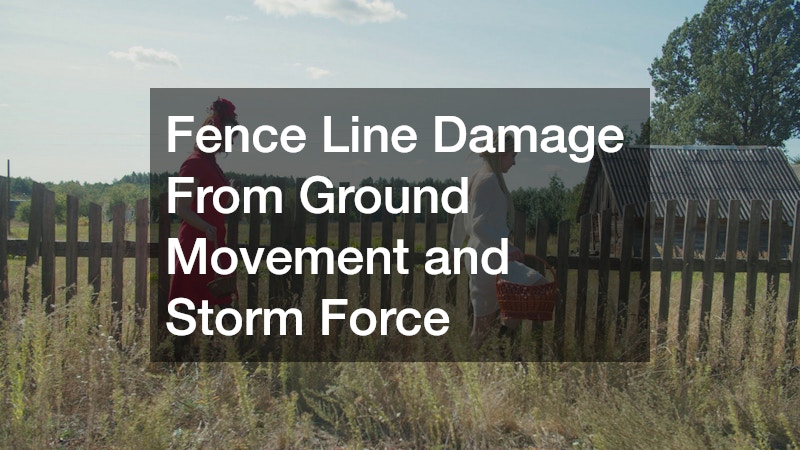
Fencing takes on unique stress because it runs along the ground, making it vulnerable to soil movement, standing water, and direct wind exposure all at once. Freeze thaw cycles can heave fence posts out of alignment, while heavy summer storms put lateral pressure on panels that can loosen fasteners over time. Wood fencing also faces rot risk when soil around posts stays saturated for extended periods after heavy rain.
Regularly checking post stability and drainage around your fence line helps you catch small issues before an entire section leans or falls. Materials matter too, since vinyl and aluminum fencing tend to handle moisture swings better than untreated wood in wet climates. Addressing minor repairs each season keeps your fencing structurally sound and looking good year after year.
- Check for leaning or loose posts each spring
- Improve drainage near post footings to prevent rot
- Repaint or reseal wood fencing every few years
- Inspect fasteners and hardware after major wind events
Seasonal weather extremes do not spare any part of your home’s exterior, and small problems left unaddressed tend to compound quickly into expensive repairs. The best defense is a routine of seasonal inspections paired with timely professional help when something is beyond a simple fix. Start by walking your property this week, checking the systems outlined above, and making a list of anything that needs attention before the next season turns. A little proactive effort now will save you significant stress and money down the road.