
Construction sites can guzzle thousands of gallons of water a day, much of it through outdated temporary facilities that were never designed with conservation in mind. Whether you’re managing a renovation project or just curious how builders are cutting waste, understanding water-saving options can help you make smarter, greener choices. From low-flow fixtures to waterless toilets, small changes in jobsite setup add up to real savings for the environment and the budget.
This guide breaks down the practical ways temporary facilities can go greener without sacrificing convenience.
Low-Flow Fixtures for Temporary Handwashing Stations
Handwashing stations are a jobsite staple, but traditional models often rely on gravity-fed spouts that release far more water than necessary per use. Low-flow aerators and foot-pump-activated faucets can cut water usage by more than half while still meeting hygiene requirements. These fixtures are simple retrofits that work with most portable sink units already in use on construction sites. Choosing a station with a sensor-activated flow also prevents water from running continuously while workers are not actively washing.
- Foot-pump or hand-pump activated faucets reduce accidental overuse
- Sensor-based automatic shutoff stops water waste between uses
- Aerator attachments cut flow rate without reducing water pressure
- Insulated tanks reduce the need for water changes in hot weather
Waterless and Low-Flush Toilet Options
Traditional flush toilets on jobsites can use a surprising amount of water daily, especially on larger crews working multi-week projects. Waterless chemical toilets and low-flush alternatives have become popular because they maintain sanitation standards while using a fraction of the water, sometimes none at all. These units rely on enzyme-based treatments or vacuum-assisted flushing systems to break down waste efficiently. For project managers comparing options, it helps to ask providers directly about the flush mechanism and tank capacity before committing to a unit.
Many property managers researching bathroom trailer rentals are surprised to learn that newer models now include water-efficient plumbing as a standard feature rather than an upgrade. These trailers often pair low-flow toilets with greywater recycling systems, making them a practical choice for sites that want comfort without excessive water draw. Renting rather than purchasing also means the equipment gets serviced and updated regularly, so efficiency improvements are passed along automatically. This makes it easier for a site to stay compliant with water-use regulations that vary by region.
Greywater Recycling for Wash Stations and Dust Control
Greywater, the relatively clean wastewater from sinks and handwashing stations, can often be reused for non-potable purposes like dust suppression or equipment cleaning. Setting up a simple filtration and holding tank system allows a site to capture this water instead of letting it drain away. This approach is especially useful on dry or dusty sites where water trucks are regularly used to keep air quality in check. Reusing greywater for these tasks can reduce a site’s total water intake by a noticeable margin over the course of a project.
- Basic filtration removes soap and debris before reuse
- Holding tanks should be clearly labeled to avoid accidental misuse
- Greywater is suitable for dust control, not drinking or handwashing
- Regular tank cleaning prevents odor and bacterial buildup
Smart Metering and Leak Detection for Temporary Water Lines
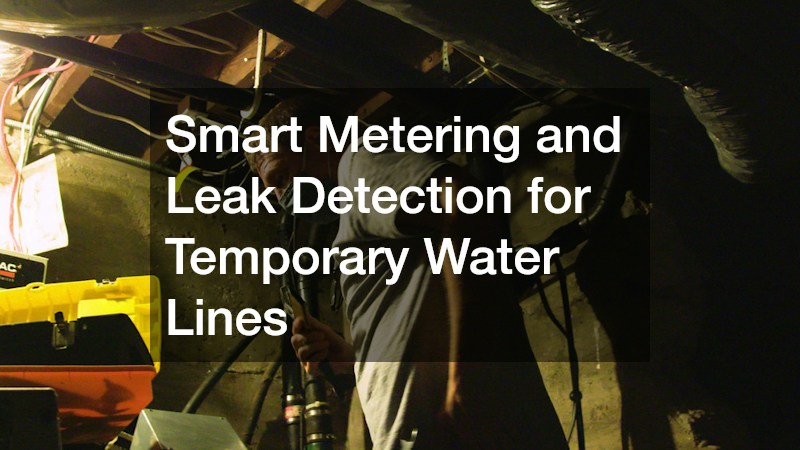
Temporary water lines strung across a jobsite are notorious for undetected leaks, especially where hoses connect to portable units or storage tanks. Smart water meters can track usage in real time and send alerts when consumption spikes unexpectedly, which often signals a leak before it becomes a major loss. Installing shutoff valves at key points also limits how much water is lost if a line does fail overnight or over a weekend. These tools are relatively inexpensive compared to the cost of water waste over the life of a project.
Beyond leak detection, metering data gives site managers a clearer picture of which facilities are using the most water, which helps prioritize where upgrades matter most. A portable sink that runs through tanks twice as fast as expected might need a flow restrictor, while a steady drip from a connector could point to a worn gasket. Tracking this information weekly, rather than only checking it at the end of a project, catches problems while they are still small and inexpensive to fix.
Scheduling and Maintenance Practices That Reduce Water Waste
Even the most efficient fixtures can waste water if they are not maintained on a regular schedule. Tanks that sit too long between services can develop leaks or require full flushes and refills, which use more water than a routine top-off would. A hose fitting left to drip for a single day can waste 15 to 20 gallons, and a slow leak in a holding tank can go unnoticed for weeks on a jobsite that isn’t checked daily. Building a maintenance calendar around actual usage patterns, rather than a fixed generic schedule, helps avoid both under-servicing and unnecessary over-servicing. A crew of 25 workers on an active framing site will draw down a handwashing station far faster than a two-person finishing crew, so service frequency should scale with headcount and work phase, not a one-size-fits-all weekly visit.
Tracking usage over the first few weeks of a project gives a realistic baseline for setting that calendar. Coordinating service visits with weather forecasts can also prevent unnecessary tank changes before rain events that might otherwise dilute or overflow holding tanks. Scheduling a service call the morning before forecasted rain, rather than the day after, keeps tanks at a safer working capacity and reduces the odds of overflow runoff. It also prevents the wasted trip and wasted water of topping off a tank that’s about to collect rainwater anyway. Routine visual inspections matter just as much as the service schedule itself. Checking seals, valves, and connection points every visit can catch small leaks before they become tank-draining problems, and logging each inspection creates a record that makes patterns—like a fixture that always fails early—easy to spot over time.
- Service tanks based on crew size and usage, not just a fixed calendar — a 10-person crew can draw down a unit far faster than a 2-person punch-list team
- Check hose connections and valves during every scheduled visit, since a slow drip of one drop per second can waste over 1,600 gallons a year
- Avoid topping off tanks right before forecasted rain, which prevents overflow and runoff when storage units fill beyond capacity
- Keep a simple log of water usage to spot unusual trends early, noting fill dates, amounts, and crew size for easy comparison week to week
- Train site supervisors to flag sudden usage spikes immediately, since a jump often signals a hidden leak rather than heavier work demand
- Inspect seals and fittings seasonally, as temperature swings can loosen connections that were watertight just months earlier
Conclusion
Greener jobsite facilities are not about sacrificing comfort or convenience, but about choosing smarter equipment and paying closer attention to how water moves through a site. Small upgrades like low-flow fixtures, greywater reuse, and better leak detection can add up to significant savings over the course of a project. If you are planning a renovation or construction project, take time to ask providers about the water-efficiency features built into their equipment before you sign a contract. A little research upfront can make a lasting difference for both your budget and the environment.