
Every property, whether residential or commercial, is a system of interconnected components. When one part fails, it rarely does so in isolation. A small roof issue can lead to interior water damage. Aging pipes can undermine walls, floors, and finishes. Poor planning during upgrades can create inefficiencies that persist for decades.
The most successful property owners understand that long-term durability comes from proactive decision-making, not reactive fixes. Instead of waiting for visible damage or emergencies, they evaluate risks early, plan improvements strategically, and work with professionals who understand how each system affects the others.
This guide takes a ground-up approach to property care. It walks through the most critical structural, exterior, plumbing, and interior considerations, focusing on how to prevent failures, extend lifespan, and make informed upgrades. Whether you’re maintaining an existing structure or planning major improvements, the goal is the same: protect your investment while improving functionality and comfort over time.
Prevent Structural Failure by Evaluating Your Roof Before Problems Spread
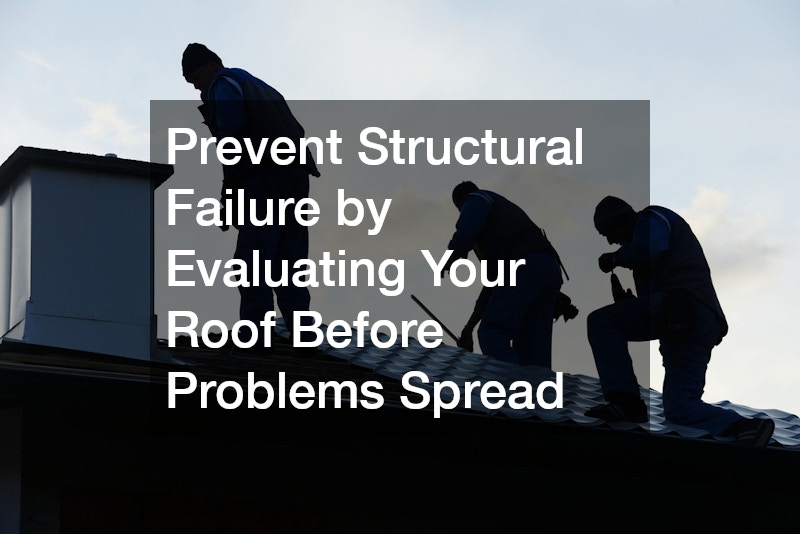
A roof rarely fails all at once. In most cases, damage develops gradually, beginning with small weaknesses that worsen over time. Because these early issues are often hidden from view, property owners may not recognize the risk until interior damage appears. By then, repairs are more complex, expensive, and disruptive.
Proactive evaluation is the most effective way to prevent structural failure. Regular assessments allow problems to be identified while they are still manageable, protecting not only the roof itself but also insulation, framing, walls, and interior finishes.
Understand How Roof Damage Progresses
Roof systems are designed to shed water and regulate temperature, but constant exposure to weather slowly breaks down protective layers. Ultraviolet radiation dries out materials, temperature fluctuations cause expansion and contraction, and moisture exploits even the smallest openings.
When surface materials deteriorate, water can migrate beneath the roof covering and settle into insulation or decking. Over time, this trapped moisture weakens structural components and creates conditions for mold and decay.
For larger buildings or properties with extensive roof surfaces, commercial roof restoration is often used to address this stage of wear. Rather than removing the entire system, restoration focuses on reinforcing existing materials, sealing vulnerabilities, and restoring protective performance before deeper damage occurs.
Identify Early Warning Signs Before They Escalate
Many roof-related issues present subtle clues long before active leaks are visible. Recognizing these signs early allows property owners to act before structural integrity is compromised.
Common indicators that evaluation is needed include:
-
Discoloration or bubbling on interior ceilings or walls
-
Musty odors in upper floors or attic spaces
-
Cracking, blistering, or separation of surface materials
-
Standing water or slow drainage after rainfall
-
Loose flashing around vents, skylights, or edges
Even if water is not actively entering the building, these symptoms often indicate that protective layers are failing.
Prioritize Repairs Based on Risk, Not Appearance
Not all damage poses the same level of threat. Cosmetic wear may look concerning but pose little immediate risk, while small openings in critical areas can lead to rapid deterioration.
Roof repair should focus first on components that control water movement, such as seams, penetrations, and transitions. These areas are more vulnerable than open surface sections and are often the source of leaks.
High-risk zones that deserve priority attention include:
-
Roof edges and drainage points
-
Areas around mechanical equipment
-
Seams between materials or sections
-
Flashing near walls and vertical structures
Addressing these areas early can prevent water from spreading into structural layers.
Establish a Routine Evaluation Schedule
Waiting for visible damage is one of the most common and costly mistakes property owners make. A structured inspection schedule helps identify issues before they become emergencies.
Recommended evaluation practices include:
-
Annual professional inspections
-
Additional inspections after severe weather
-
Seasonal checks in climates with temperature extremes
-
Documentation of findings to track changes over time
Keeping records allows property owners to monitor patterns, anticipate future needs, and budget more effectively for maintenance or upgrades.
Consider Long-Term Performance, Not Just Immediate Fixes
Short-term solutions may stop a leak temporarily but fail to address underlying causes. Effective evaluation looks beyond surface symptoms to understand why damage occurred and how to prevent recurrence.
This may involve improving drainage, upgrading materials in high-stress areas, or reinforcing protective coatings. In many cases, combining targeted repairs with broader reinforcement strategies extends roof lifespan significantly.
A thoughtful, proactive approach to roof evaluation protects the entire structure, reduces unexpected costs, and preserves the long-term value of the property. By addressing vulnerabilities early, property owners can stop small issues from spreading and ensure their building remains safe, dry, and structurally sound for years to come.
Plan a Long-Lasting Roof Upgrade That Meets Modern Standards
When repairs are no longer sufficient, a full upgrade becomes necessary. Proper planning at this stage has a significant impact on performance, efficiency, and lifespan. A poorly executed replacement can fail prematurely, while a well-planned one can last decades.
Roof installation in Jacksonville FL and other areas involves far more than selecting materials. Ventilation, underlayment, flashing, and drainage must all work together to prevent heat buildup and moisture intrusion. Local climate conditions, building design, and usage patterns should guide every decision.
Choosing the right roofing contractor is equally important. Experience, licensing, and familiarity with local codes determine whether the finished system performs as intended.
Questions to ask before moving forward:
-
How does the proposed system handle heat and moisture?
-
What warranties are included for materials and labor?
-
How will the project protect the building interior during installation?
Common mistakes to avoid:
-
Choosing materials based on price alone
-
Ignoring ventilation requirements
-
Skipping permits or inspections
A carefully planned upgrade improves energy efficiency, reduces maintenance needs, and protects the structure for years to come.
Create Durable Outdoor Spaces That Add Real Property Value

Upgrade Aging Plumbing Systems Before Hidden Damage Occurs
Plumbing problems often develop quietly, behind walls and beneath floors, until they cause visible damage. Older properties are particularly vulnerable due to outdated materials that corrode, restrict flow, or fail without warning.
Home repiping addresses these risks by replacing aging pipes throughout the property. While it’s a significant project, it often resolves recurring leaks, improves water pressure, and enhances overall system reliability.
Indicators that plumbing upgrades may be necessary:
-
Discolored or metallic-tasting water
-
Frequent leaks or pipe repairs
-
Fluctuating water pressure
-
Pipes made from outdated materials
Planning tips to reduce disruption:
-
Coordinate plumbing upgrades with remodeling projects
-
Replace accessible sections first when full replacement isn’t immediately possible
-
Work with professionals who document system layouts for future reference
Investing in infrastructure upgrades protects finishes, improves daily comfort, and reduces the risk of emergency repairs.
Improve Daily Comfort by Modernizing High-Use Interior Spaces
Interior upgrades should balance aesthetics with function. Spaces that see daily use experience the most wear, making thoughtful design and durable materials essential.
Home remodeling allows property owners to correct layout inefficiencies, improve energy performance, and update outdated finishes. Projects that address both form and function tend to deliver the strongest long-term value.
Among these projects, a bathroom remodel stands out for its impact on comfort and resale appeal. Modern layouts improve accessibility, while updated fixtures enhance water efficiency and ease of maintenance.
Smart planning strategies include:
-
Prioritizing layout improvements over cosmetic changes
-
Selecting moisture-resistant materials
-
Planning adequate ventilation to prevent humidity issues
Common upgrade mistakes:
-
Underestimating storage needs
-
Choosing finishes that require excessive maintenance
-
Ignoring plumbing or electrical limitations
Well-planned interior upgrades improve daily usability while protecting the structure from moisture and wear.
Stop Small Water Issues From Becoming Major Disasters
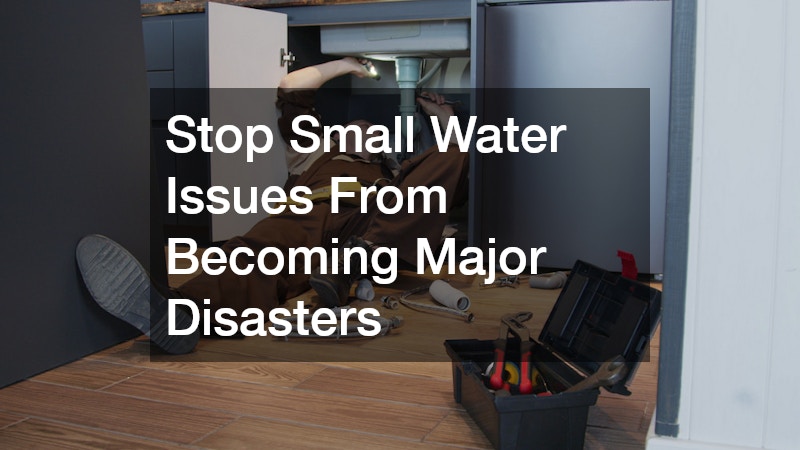
Water intrusion is one of the most damaging threats to any property. Even minor leaks can compromise framing, insulation, and indoor air quality if not addressed promptly.
Routine toilet repair helps prevent slow leaks that often go unnoticed for months. Running toilets, worn seals, or faulty connections waste water and can damage surrounding flooring and substructures.
When larger incidents occur, water damage restoration services are essential for preventing long-term consequences. Professional drying, cleanup, and sanitization reduce the risk of mold growth and structural decay.
Immediate steps after water exposure:
-
Shut off the water source if possible
-
Remove standing water quickly
-
Increase airflow to affected areas
Prevention-focused habits:
-
Inspect fixtures and supply lines regularly
-
Replace aging components proactively
-
Address small leaks immediately
Fast response and ongoing vigilance are critical to minimizing water-related damage.
Building, protecting, and restoring a property is not a single project, it’s an ongoing process. Each system, from the roof to the plumbing to interior finishes, plays a role in the overall health and performance of the structure.
Property owners who take a proactive approach benefit from fewer emergencies, lower long-term costs, and greater peace of mind. By evaluating risks early, planning upgrades strategically, and addressing small issues before they escalate, it’s possible to extend the life of a property while improving comfort and functionality.
A ground-up mindset transforms maintenance from a reactive chore into a long-term investment strategy, one that protects both the structure itself and the people who rely on it every day.