
A kitchen remodeling project is one of the most impactful improvements a homeowner can make. The kitchen serves as a central gathering space where meals are prepared, conversations happen, and daily routines often begin and end. Because of its importance in everyday life, a well-designed kitchen should balance functionality, comfort, and visual appeal. Renovating this space allows homeowners to update outdated features, improve efficiency, and create an environment that better supports how they cook, entertain, and spend time together.
Successful kitchen remodeling projects begin with thoughtful planning. Homeowners must consider how the space is currently used and identify ways to improve layout, storage, and workflow. Design choices such as cabinetry, countertops, lighting, and flooring all contribute to the overall look and performance of the kitchen. At the same time, structural elements and utilities must be carefully evaluated to ensure that the space operates efficiently and safely.
In addition to aesthetic upgrades, kitchen renovations can also increase the long-term value of a home. Modern appliances, durable materials, and efficient layouts make the space more appealing to both current homeowners and future buyers. When renovations are approached with a clear plan and attention to detail, the result can be a kitchen that combines practicality with style. The following sections explore several key features homeowners should consider when planning a kitchen remodeling project.
Kitchen renovations also allow homeowners to personalize the space so it reflects their lifestyle and design preferences. From selecting color palettes to choosing functional storage solutions, each decision contributes to the overall atmosphere of the kitchen. Careful planning ensures that the finished space feels cohesive while supporting daily activities such as cooking, cleaning, and entertaining guests. By considering both design and function during the renovation process, homeowners can create a kitchen that remains comfortable, efficient, and visually appealing for many years.
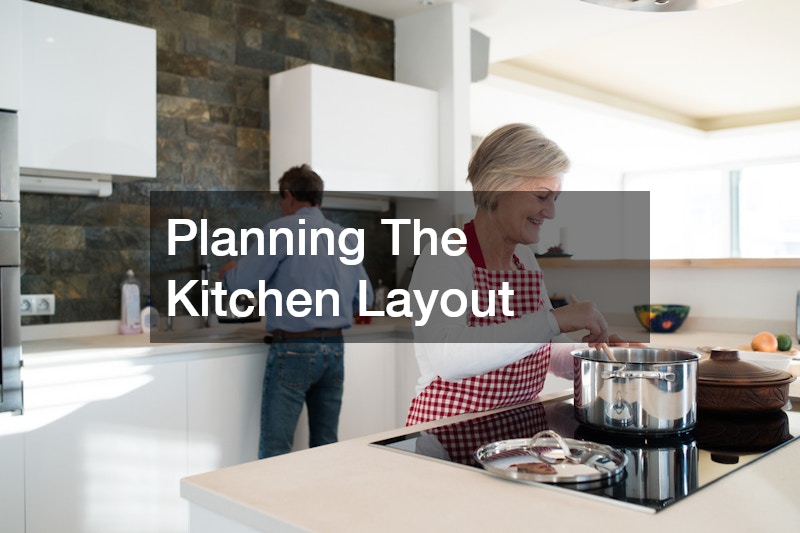
Planning The Kitchen Layout
A well-designed layout is the foundation of any successful kitchen remodeling project. The layout determines how easily homeowners can move between cooking, preparation, and cleaning areas. Efficient kitchen design often focuses on creating a smooth workflow that allows people to access appliances, countertops, and storage areas without unnecessary obstacles. A thoughtful arrangement of these elements can make everyday tasks more convenient while improving the overall functionality of the space.
When planning the layout, homeowners should consider how the kitchen connects with surrounding living areas. Open floor plans have become increasingly popular because they allow the kitchen to serve as a gathering place for family members and guests. Proper placement of islands, counters, and seating areas can help define different zones within the space while maintaining an open and welcoming atmosphere.
Many homeowners work with a local kitchen designer when evaluating layout possibilities. These professionals can help assess the available space, recommend practical design solutions, and create layouts that maximize efficiency. Their experience allows them to balance aesthetics with functionality, ensuring that the remodeled kitchen not only looks appealing but also supports everyday use.
Careful layout planning can also improve safety and convenience during daily kitchen activities. Adequate spacing between work areas helps prevent overcrowding, especially when multiple people are using the kitchen at the same time.
Selecting Durable Countertop Materials
Countertops play a major role in both the appearance and functionality of a kitchen. Because they are used for food preparation, cooking, and everyday tasks, countertops must be durable enough to withstand frequent use. Materials should resist scratches, stains, and heat while maintaining an attractive appearance over time. Selecting the right countertop material helps ensure that the kitchen remains both practical and visually appealing.
In addition to durability, countertops contribute significantly to the overall style of the kitchen. Colors, textures, and finishes can complement cabinetry, flooring, and backsplash designs to create a cohesive aesthetic. Homeowners often look for materials that balance beauty with practicality so the kitchen maintains its appeal for years to come.
Some homeowners choose marble countertops for their natural appearance and timeless elegance. Marble offers distinctive patterns and a polished finish that can enhance the visual character of the kitchen. While this material requires proper care and sealing to maintain its surface, it can provide a sophisticated look that elevates the overall design of the space.
Choosing Functional Cabinet Storage
Cabinet storage plays a crucial role in maintaining an organized and efficient kitchen. Cabinets provide space to store cookware, utensils, pantry items, and small appliances that are used daily. When storage is thoughtfully designed, it becomes easier for homeowners to access what they need without cluttering countertops or overcrowding the workspace. Functional cabinet layouts help improve workflow by keeping essential items within reach while maintaining a clean and visually appealing kitchen environment.
Modern cabinet designs often include features such as pull-out shelves, deep drawers, and vertical storage spaces that make it easier to store larger kitchen items. These solutions help maximize available space while improving accessibility. Soft-close doors, hidden compartments, and customized shelving systems can also add convenience and improve the overall usability of the kitchen.
Well-planned cabinet storage is an important part of any kitchen remodeling project because it directly affects how the space functions day to day. By evaluating storage needs early in the design process, homeowners can create a kitchen that supports both cooking and organization. Careful cabinet planning helps reduce clutter, improve efficiency, and create a layout that remains practical and comfortable for everyday use.

Upgrading Modern Kitchen Appliances
Kitchen appliances are essential tools that support cooking, food preparation, and everyday convenience. During a renovation, upgrading outdated appliances can significantly improve the functionality and efficiency of the space. Modern appliances often offer improved performance, energy efficiency, and features that simplify daily tasks. Refrigerators, ovens, dishwashers, and cooking ranges are frequently replaced during kitchen renovations to match updated designs and improve overall performance.
When selecting new appliances, homeowners should consider how each piece of equipment fits within the kitchen layout and supports their cooking habits. Proper placement of appliances can improve workflow and create a more efficient environment for meal preparation. Integrating appliances with cabinetry and surrounding surfaces can also create a streamlined appearance that complements the kitchen’s design.
In addition to selecting new equipment, homeowners should also consider long-term appliance maintenance to keep these systems functioning effectively. Regular cleaning, inspections, and routine servicing can extend the lifespan of appliances while maintaining their performance. By combining modern appliances with proper maintenance practices, homeowners can support a kitchen environment that remains efficient and reliable for years to come.
Improving Lighting And Electrical Design
Lighting and electrical design are important elements that contribute to both the safety and usability of a kitchen. Proper lighting allows homeowners to perform tasks such as chopping ingredients, cooking meals, and cleaning surfaces with greater visibility and accuracy. Kitchens often require multiple layers of lighting, including overhead fixtures, task lighting, and accent lighting, to create a balanced and functional environment.
Task lighting is especially important in areas where precision is required, such as countertops, cooking stations, and sinks. Under-cabinet lighting can illuminate work surfaces while pendant lights above islands or dining areas can enhance both visibility and visual appeal. These lighting features help create a welcoming atmosphere while supporting practical daily activities.
When upgrading lighting systems, homeowners may consult electricians to evaluate existing wiring and install new fixtures safely. Professional electrical work helps ensure that outlets, lighting systems, and appliances operate reliably while meeting modern safety standards. Proper electrical planning allows the kitchen to support current technology and lighting needs while maintaining a safe and efficient environment for everyday use.
Enhancing Flooring And Surface Materials
Flooring plays an important role in both the appearance and durability of a kitchen. Because kitchens experience frequent foot traffic, spills, and heavy use, flooring materials should be strong, easy to clean, and resistant to moisture. Popular options include tile, hardwood, and durable composite materials that balance style with long-term performance.
Finishing surfaces throughout the kitchen can also improve the overall appearance of the space. A painter may help refresh walls, ceilings, and trim with finishes that complement cabinetry and countertops. Updated paint colors and protective coatings can brighten the room while adding a polished look that enhances the remodeled kitchen.

Incorporating Efficient Ventilation Systems
Proper ventilation is essential in kitchens where cooking generates heat, smoke, and moisture. Without adequate airflow, these elements can build up and affect both comfort and air quality inside the home. Installing efficient ventilation systems helps remove cooking fumes and maintain a healthier indoor environment.
During a renovation, homeowners may consult an HVAC company to evaluate existing ventilation systems and recommend improvements. Updated range hoods, ductwork, and air circulation systems help remove excess heat and odors while improving overall kitchen comfort. With proper ventilation in place, the kitchen remains a more pleasant and functional space for daily cooking activities.
Adding Stylish Backsplash Features
Backsplashes add both style and protection to kitchen walls, particularly in areas near sinks and cooking surfaces. These surfaces help shield walls from water splashes, grease, and food preparation residue while contributing to the overall design of the kitchen. Materials such as tile, glass, or stone can create visual interest while complementing cabinetry and countertops.
Homeowners sometimes coordinate backsplash upgrades with countertop installation to create a cohesive design throughout the kitchen. Matching colors, textures, and materials can help unify the space and enhance its visual appeal. A carefully selected backsplash can serve as both a practical surface and a decorative feature that highlights the kitchen’s overall design.
Optimizing Space For Dining And Gathering
A well-designed kitchen should provide space not only for cooking but also for gathering and dining. Many homeowners choose layouts that incorporate kitchen islands, breakfast bars, or small dining areas where family members and guests can sit comfortably. These features encourage conversation and interaction while meals are being prepared. Creating flexible seating arrangements can help the kitchen serve multiple purposes, from casual dining to social gatherings.
Practical considerations also play a role when optimizing kitchen space. Plumbing fixtures, sinks, and water lines must be positioned carefully to support both food preparation and cleaning tasks. In some renovation projects, homeowners may consult a plumber to ensure that sink installations, water lines, and drainage systems are properly placed and functioning efficiently. Proper plumbing planning helps the kitchen remain convenient and reliable for everyday use.

Balancing Style With Long-Term Durability
While visual design is important in a kitchen renovation, durability should remain a priority when selecting materials and features. Kitchens experience daily use, making it essential to choose surfaces and fixtures that can withstand frequent cooking, cleaning, and movement. Durable cabinetry, strong flooring, and long-lasting fixtures help ensure that the space remains functional and attractive over time.
In addition to selecting durable materials, homeowners should consider how design choices support the long-term maintenance of the kitchen. Proper installation of plumbing systems, drainage lines, and sinks helps prevent issues that could disrupt daily routines. For example, thoughtful plumbing design can reduce the risk of problems such as a clogged drain that may affect the efficiency of the kitchen over time. Combining durability with smart design choices helps homeowners maintain a kitchen that remains both attractive and dependable.
A successful kitchen remodeling project involves careful planning, thoughtful design choices, and attention to both aesthetics and functionality. From selecting durable countertops and efficient appliances to improving lighting, ventilation, and storage, each feature contributes to a kitchen that supports everyday activities. By evaluating these elements early in the renovation process, homeowners can create a space that balances style with practicality.
Kitchen renovations also provide an opportunity to modernize the home while improving comfort and efficiency. Updated materials, improved layouts, and reliable utility systems can transform an outdated kitchen into a welcoming space that encourages cooking, dining, and social interaction. When each component is carefully considered, the kitchen becomes a more enjoyable and efficient part of the home.
Ultimately, a well-planned renovation can add long-term value while improving daily life. By focusing on durable materials, functional layouts, and reliable systems, homeowners can create a kitchen that remains attractive and dependable for years to come. Thoughtful remodeling choices help ensure that the kitchen continues to serve as a central gathering space where meals, conversations, and shared experiences take place.