
Home upgrades are exciting, but they often come with a familiar challenge: how to make a space look beautiful without sacrificing how well it actually works day to day. Many homeowners start with a vision inspired by magazines or social media, only to discover that real-life use demands something more thoughtful than aesthetics alone.
A well-designed home should support your routines, not fight against them. Kitchens that look stunning but lack storage quickly become frustrating. Bathrooms that prioritize style over function can feel inconvenient rather than relaxing. The key is finding a balance where design choices enhance usability instead of competing with it.
This guide explores how to blend style and practicality across major home upgrade decisions. From layout planning and materials to working with professionals, each section breaks down actionable strategies to help you create spaces that are both functional and visually cohesive.
Designing Spaces That Work for Real Life
Effective home upgrades begin with intentional planning. Before selecting finishes or fixtures, it’s important to understand how each space will actually be used. Good design is not just about appearance—it’s about movement, convenience, and comfort.
Start by observing daily patterns:
- Where do bottlenecks occur in your kitchen or bathroom?
- Which areas feel cluttered or underused?
- What tasks feel inefficient or repetitive?
Once you understand these patterns, you can begin shaping a layout that supports them. For example, in kitchens, reducing unnecessary steps between cooking zones improves efficiency. In bathrooms, ensuring clear separation between wet and dry areas increases comfort and safety.
It also helps to think about how multiple people use the space at the same time. A kitchen may need room for someone cooking while another person cleans or prepares ingredients. A bathroom might require better storage access so morning routines don’t feel cramped or competitive. These small considerations have a big impact on how livable a space feels day to day.
Another important factor is accessibility. Even if you are not currently planning for aging-in-place design, incorporating wider walkways, lower storage options, and easy-to-reach fixtures can make a home more adaptable over time. Lighting placement also plays a key role—poor lighting can make even a well-designed layout feel inefficient or unsafe.
Key principles of functional design include:
- Prioritizing flow over decoration
- Keeping frequently used items within easy reach
- Designing with both present and future needs in mind
- Avoiding overly complex layouts that reduce usability
- Considering how multiple users interact with the space
A thoughtful kitchen and bath design approach ensures that your home not only looks cohesive but also supports your lifestyle seamlessly.
Planning Functional Bathroom Transformations
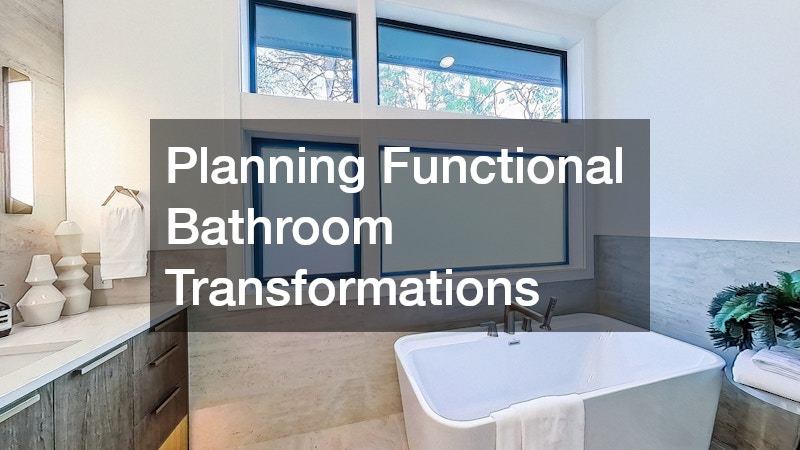
Bathroom upgrades are one of the most impactful ways to improve both comfort and home value. However, they also require careful planning due to limited space and high daily usage. Unlike other areas of the home, bathrooms must balance moisture control, storage efficiency, and constant functionality all within a compact footprint. This makes thoughtful planning essential from the very beginning of the project.
The first step in any bathroom remodeling project is identifying what currently isn’t working. Common issues include lack of storage, poor lighting, outdated layouts, and inefficient fixtures. It also helps to pay attention to daily frustrations that may seem small but add up over time, such as limited counter space, awkward door swings, or insufficient towel storage.
Practical improvements often include:
- Expanding storage through built-in solutions
- Replacing bulky fixtures with space-saving alternatives
- Improving lighting layers (task, ambient, and accent)
- Enhancing ventilation to reduce moisture buildup
Beyond these basics, homeowners can also improve functionality by considering fixture placement. For example, positioning the vanity away from high-traffic door areas can reduce congestion during busy mornings. Similarly, selecting wall-mounted faucets or recessed shelving can free up valuable surface space while maintaining a clean design.
Small bathrooms benefit especially from strategic design choices. Floating vanities, glass shower enclosures, and light color palettes can make spaces feel larger without structural expansion. The use of reflective materials, such as glossy tile or large mirrors, can also enhance natural and artificial light, further opening up the room visually. Even simple changes like upgrading hardware finishes can modernize the space without requiring a full rebuild.
A successful bathroom transformation prioritizes durability just as much as appearance, ensuring the space remains functional for years to come. Moisture-resistant materials, proper sealing, and well-planned ventilation systems all contribute to long-term performance and reduced maintenance needs.
Building Kitchens That Balance Beauty and Use
The kitchen is often the busiest room in the home, making functionality just as important as design. A well-executed kitchen remodeling project focuses on improving workflow while maintaining visual appeal. Because this space serves multiple purposes—cooking, dining, gathering, and even working—it must be designed with flexibility in mind. A visually stunning kitchen that lacks efficiency quickly becomes frustrating to use, especially in households with frequent meal preparation or multiple occupants.
One of the most important concepts is the kitchen work triangle, which connects the sink, stove, and refrigerator. When these elements are positioned efficiently, cooking becomes more intuitive and less tiring. However, modern kitchens often expand beyond this traditional triangle, incorporating additional zones for baking, beverage stations, and snack preparation.
Other important considerations include:
- Ensuring adequate countertop workspace near cooking zones
- Separating prep, cooking, and cleaning areas
- Allowing enough room for multiple users when needed
- Choosing layouts that reduce unnecessary movement
Traffic flow is another key factor that is often overlooked. Clear pathways between islands, appliances, and entry points prevent congestion and make the kitchen safer during busy cooking sessions. Storage accessibility also plays a major role—frequently used items should be stored at waist or eye level, while less-used tools can be placed in higher or lower cabinets.
Material selection also plays a major role in practicality. Durable surfaces, easy-to-clean finishes, and heat-resistant materials ensure that the kitchen remains functional under heavy use. Finishes should be chosen not only for appearance but also for how they age under daily wear, spills, and cleaning routines.
Lighting should not be overlooked. A layered lighting approach improves both safety and ambiance:
- Task lighting for food preparation
- Ambient lighting for overall visibility
- Accent lighting for visual appeal
Natural light should also be maximized whenever possible, as it enhances both mood and functionality. Well-placed windows or skylights can reduce reliance on artificial lighting during daytime use.
A well-planned kitchen blends efficiency with style, making everyday tasks smoother and more enjoyable while maintaining a cohesive, welcoming aesthetic.
Selecting Durable Surfaces That Elevate Design

Countertops are one of the most visible and heavily used elements in any kitchen or bathroom. Choosing the right material is essential for balancing aesthetics and long-term durability.
When evaluating options for custom countertops, consider how each material performs under daily conditions. Some surfaces are more resistant to scratches and heat, while others excel in stain resistance or visual appeal.
Key factors to evaluate:
- Durability under frequent use
- Resistance to moisture, heat, and stains
- Maintenance requirements
- Overall design compatibility
Popular material considerations often include engineered stone, natural stone, and solid surfaces. Each offers different advantages depending on lifestyle needs.
To maintain both style and practicality:
- Seal porous surfaces regularly
- Clean spills promptly to prevent staining
- Use cutting boards and heat pads for protection
- Avoid harsh chemicals that can degrade finishes
Well-chosen countertops act as both a design centerpiece and a hardworking surface that supports everyday activities.
Storage Solutions That Improve Everyday Functionality
Storage is one of the most overlooked aspects of home design, yet it has a major impact on how functional a space feels. Poor storage leads to clutter, frustration, and inefficient use of space.
Custom cabinetry allows homeowners to design storage around their actual needs rather than adapting to standard sizes. This flexibility improves both organization and accessibility.
Effective storage strategies include:
- Deep drawers for pots, pans, and bulky items
- Vertical dividers for trays and baking sheets
- Pull-out shelves for hard-to-reach areas
- Hidden compartments for small appliances
In bathrooms, cabinetry can help reduce countertop clutter while keeping essentials easily accessible. In kitchens, smart storage ensures that everything has a designated place, improving efficiency during meal preparation.
Good cabinetry design combines:
- Smart internal organization
- Durable construction materials
- Seamless integration with overall design
The result is a cleaner, more functional living environment that supports daily routines.
Working With Professionals for Seamless Execution

Even the best design plans require skilled execution. Working with a qualified kitchen contractor ensures that your vision is translated into a functional, well-built space.
Choosing the right professional involves more than comparing prices. Experience, communication style, and attention to detail all play critical roles in project success.
When selecting a contractor, consider:
- Portfolio of completed projects
- Client reviews and references
- Ability to stay within budget and timeline
- Clear communication throughout the process
During renovation, strong coordination is essential. Contractors help manage scheduling, subcontractors, and material delivery to keep the project on track.
Homeowners should also:
- Ask for detailed project timelines
- Clarify expectations before work begins
- Maintain regular communication during construction
- Address concerns early to avoid delays
A reliable contractor bridges the gap between design intent and real-world construction.
Integrating Full-Service Home Building Solutions
For larger projects or whole-home transformations, working with a custom home builder can provide a more cohesive and streamlined experience. Instead of managing separate teams for each area, homeowners benefit from unified planning and execution.
This approach is especially useful when upgrading multiple rooms or reconfiguring layouts across the home. It ensures consistency in design, materials, and functionality.
Benefits include:
- Coordinated design across all spaces
- Improved structural planning
- Better budget and timeline management
- Reduced miscommunication between teams
A custom home builder can also help identify opportunities to improve flow between rooms, enhancing the overall livability of the home. This is particularly valuable when combining kitchen and bathroom upgrades into a larger renovation plan.
Choosing Flooring and Surface Finishes That Last

Flooring and wall finishes play a major role in both style and durability. Tile is one of the most versatile options for kitchens and bathrooms due to its resistance to moisture and wear.
A professional tiling service ensures proper installation, which is critical for long-term performance. Even high-quality materials can fail if not installed correctly.
Important considerations include:
- Slip resistance for wet areas
- Size and layout of tile patterns
- Grout color and maintenance requirements
- Compatibility with overall design style
Design-wise, tile can be used to:
- Create visual continuity between rooms
- Highlight specific zones like showers or backsplashes
- Add texture and depth to otherwise simple spaces
Proper installation ensures durability, while thoughtful design enhances visual appeal.
Creating Functional and Stylish Shower Spaces
Showers are one of the most frequently used features in any bathroom, making their design especially important. A skilled shower contractor can help balance comfort, accessibility, and style in this essential space.
Modern shower designs often focus on openness and ease of use. Walk-in layouts, frameless glass, and integrated storage niches are common features that improve functionality.
Key design considerations include:
- Proper waterproofing to prevent long-term damage
- Efficient drainage systems
- Strategic placement of fixtures
- Easy-to-clean surfaces and materials
Additional enhancements may include:
- Built-in seating for comfort
- Multiple shower heads for flexibility
- Adjustable shelving for storage
A well-designed shower combines relaxation with practicality, making it a daily highlight rather than just a utility space.
Ensuring Reliable Infrastructure Behind the Walls
Behind every functional kitchen and bathroom is reliable plumbing services that keep everything running smoothly day after day. Upgrading plumbing during renovations ensures long-term performance and helps prevent costly issues such as leaks, water damage, and inefficient water flow later on.
Older homes may have outdated or inefficient systems that cannot support modern fixtures. Addressing these issues during renovation is both practical and cost-effective, especially when incorporating new layouts or upgraded appliances that place different demands on water supply and drainage systems.
Key upgrade considerations include:
- Replacing aging pipes
- Improving water pressure and flow
- Updating drainage systems
- Ensuring compliance with current building standards
Beyond these essentials, it is also important to think about future needs. Installing flexible plumbing configurations can make it easier to add new fixtures later without major reconstruction. Homeowners often overlook how layout changes in kitchens or bathrooms can significantly impact pipe routing, so early coordination is essential.
Good planning also involves coordinating plumbing with layout changes. Moving sinks, showers, or appliances requires careful rerouting of water lines and drains to avoid inefficiencies or hidden maintenance issues down the line.
Benefits of professional plumbing upgrades:
- Reduced risk of leaks and water damage
- Improved efficiency and performance
- Greater compatibility with modern fixtures
- Long-term reliability
Strong infrastructure ensures that the visible beauty of a renovation is supported by dependable functionality.
Successful home upgrades require more than selecting attractive finishes—they demand thoughtful planning that considers how each space will be used every day. When design and functionality work together, the result is a home that feels both comfortable and efficient.
By focusing on layout, materials, storage, and professional execution, homeowners can create spaces that not only look great but also support real-life needs. The best renovations are those that quietly improve daily routines while maintaining a cohesive and intentional design throughout the home.