
Key Takeaways
- Renovation costs vary significantly by room, with kitchens and bathrooms typically requiring the largest investments due to plumbing, electrical work, fixtures, and specialized installations.
- Understanding room-specific expenses helps homeowners prioritize projects, allocate funds more effectively, and avoid unexpected financial strain.
- Living rooms, bedrooms, hallways, and laundry rooms are generally more affordable to update and can still deliver meaningful improvements in comfort, functionality, and appearance.
- Basements and outdoor living spaces offer opportunities to expand usable living areas but often involve additional costs related to structural work, moisture control, and site preparation.
- Material choices, labor rates, permit requirements, and the age of the home are some of the biggest factors influencing overall renovation expenses.
- Setting aside a contingency fund for unexpected repairs or hidden issues can help keep projects on track and reduce the risk of budget overruns.
- Combining upgrades with essential maintenance work can improve a home’s long-term performance, prevent costly future repairs, and maximize the value of renovation investments.
Home renovation is one of the most effective ways to improve comfort, functionality, energy efficiency, and property value. Whether you’re preparing a home for resale, updating an aging property, or creating a more enjoyable living environment for your family, understanding renovation costs is essential before starting any project. Many homeowners begin renovations with a general idea of what they want to accomplish but quickly discover that costs can vary significantly depending on the room, materials, labor requirements, and scope of work.
Rather than viewing renovation costs as a single lump-sum expense, it is often more helpful to break them down by room. Different areas of the home present unique challenges and opportunities, which means budgeting should be tailored accordingly. From kitchens and bathrooms to bedrooms, living spaces, and outdoor areas, knowing where your money is likely to go can help you make informed decisions and prioritize projects that deliver the greatest value.
Why Do Renovation Costs Vary So Much Between Rooms?
One of the most common questions homeowners ask is why renovation costs differ dramatically from one room to another. The answer lies in the complexity of the work involved. Some rooms contain plumbing systems, electrical wiring, specialized fixtures, and custom cabinetry, while others primarily require cosmetic updates such as paint and flooring.
The size of the room also affects overall costs. Larger spaces generally require more materials and labor, while smaller rooms with highly specialized installations may cost more per square foot. In addition, factors such as local labor rates, permit requirements, structural modifications, and material selections can influence the final price.
Common factors that affect renovation expenses include:
- Labor costs: Skilled trades such as electricians, plumbers, and carpenters often account for a substantial portion of the budget.
- Material quality: Premium finishes and custom products can significantly increase project costs.
- Age of the home: Older homes may require upgrades to wiring, plumbing, or structural components before cosmetic improvements can begin.
- Permit requirements: Certain projects require permits and inspections, adding to the total investment.
- Unexpected repairs: Hidden damage often becomes apparent once renovation work starts.
Understanding these variables helps homeowners set realistic expectations and avoid unpleasant surprises during the remodeling process.
How Much Does a Kitchen Renovation Typically Cost?
The kitchen is often considered the heart of the home, making it one of the most popular renovation projects. It is also among the most expensive rooms to renovate because it combines cabinetry, countertops, appliances, plumbing, electrical systems, lighting, and flooring.
A minor kitchen renovation typically ranges from $10,000 to $30,000. Mid-range projects often fall between $30,000 and $75,000, while luxury remodels can exceed $100,000 depending on customization and finishes.
Major kitchen renovation expenses often include:
- Cabinet replacement or refacing
- Countertop installation
- Appliance upgrades
- Flooring replacement
- Lighting improvements
- Plumbing modifications
- Electrical upgrades
- Painting and finishing work
Many homeowners find that modernizing an outdated kitchen provides one of the strongest returns on investment because updated kitchens are highly attractive to buyers and improve everyday functionality.
When planning a kitchen renovation, it is important to distinguish between needs and wants. While premium finishes can create a stunning space, practical upgrades often deliver substantial benefits without dramatically increasing costs.
Where Does Most of the Kitchen Budget Go?
Several components consume a large portion of kitchen renovation expenses:
- Cabinetry: Often represents 25% to 40% of the total project cost.
- Countertops: Material selection significantly affects pricing.
- Appliances: High-end appliances can quickly increase expenditures.
- Labor: Installation and specialized trade work contribute heavily to costs.
Careful planning and product selection can help balance aesthetics and affordability.
What Can Homeowners Expect to Spend on Bathroom Updates?
Bathrooms are another high-cost renovation area because they involve multiple systems operating within a relatively small space. Plumbing fixtures, waterproofing, tile installation, ventilation, and electrical work all contribute to project complexity.
A basic bathroom renovation may cost between $5,000 and $15,000. Mid-range remodels often range from $15,000 to $35,000, while luxury bathroom transformations can exceed $50,000.
Common bathroom improvements include:
- New vanities
- Shower upgrades
- Bathtub replacement
- Tile installation
- Plumbing fixture replacement
- Improved lighting
- Ventilation enhancements
- Water-efficient features
Because bathrooms experience high moisture levels, quality workmanship is essential. Improper waterproofing or plumbing installations can lead to costly repairs later.
Many homeowners tackle kitchen and bathroom remodeling projects together to reduce disruption and coordinate design improvements throughout the home.
What Drives Bathroom Renovation Costs Higher?
Several factors can increase expenses:
- Relocating plumbing fixtures
- Installing custom tile designs
- Choosing luxury materials
- Expanding the room footprint
- Adding accessibility features
Maintaining the existing layout whenever possible can help control costs while still delivering significant improvements.
Are Living Room Renovations More Affordable?
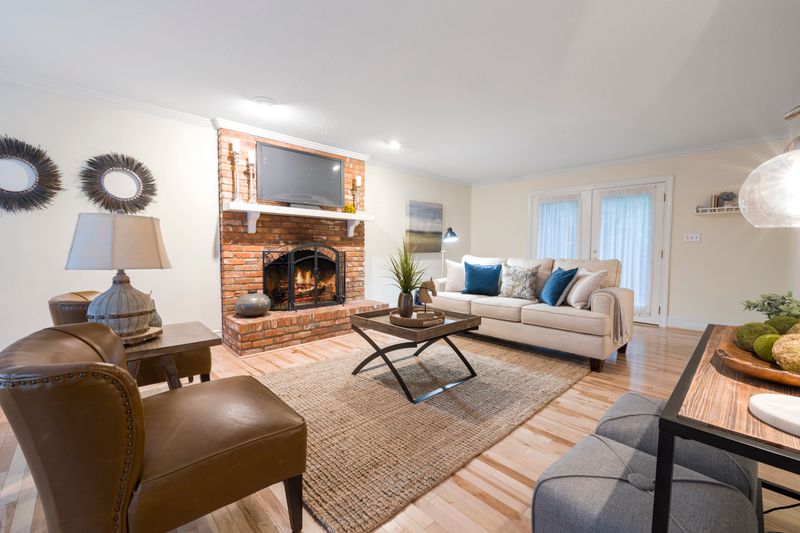
Living rooms are generally less expensive to renovate than kitchens and bathrooms because they typically do not contain plumbing systems or major appliances. However, costs can still vary depending on the extent of upgrades.
A basic living room renovation may cost between $3,000 and $15,000. More comprehensive remodels involving structural changes can cost substantially more.
Typical living room improvements include:
- Painting walls and ceilings
- Replacing flooring
- Installing built-in shelving
- Updating lighting fixtures
- Enhancing fireplaces
- Improving insulation
- Replacing windows
Living room renovations often focus on aesthetics, comfort, and functionality. Because this area frequently serves as a gathering space, investments that improve lighting, seating arrangements, and energy efficiency can significantly enhance daily living.
Which Living Room Improvements Offer the Best Value?
High-value upgrades often include:
- Energy-efficient windows
- Modern lighting systems
- Durable flooring materials
- Fresh paint and trim
- Built-in storage solutions
These improvements can transform the appearance of the space without requiring extensive structural modifications.
How Much Does It Cost to Renovate Bedrooms?
Bedrooms are among the most affordable rooms to renovate because they generally involve fewer technical systems. Most projects focus on improving comfort, storage, and aesthetics.
A typical bedroom renovation may range from $2,000 to $15,000 depending on size and scope.
Popular bedroom upgrades include:
- Painting
- Flooring replacement
- Closet improvements
- Lighting updates
- Window replacement
- Built-in storage additions
Primary bedrooms may involve larger budgets when homeowners incorporate luxury features such as custom closets, sitting areas, or integrated smart-home technology.
Should Homeowners Invest in Custom Closets?
Custom closet systems can provide substantial benefits, including:
- Improved organization
- Increased storage capacity
- Better use of available space
- Enhanced resale appeal
While custom solutions cost more than standard shelving, they often improve functionality significantly.
What is the Average Cost of Renovating a Home Office?
The rise of remote and hybrid work arrangements has increased demand for dedicated home office spaces. Renovating a home office can improve productivity while adding value to the property.
Costs typically range from $3,000 to $20,000 depending on complexity.
Common office improvements include:
- Custom desks
- Built-in shelving
- Soundproofing
- Enhanced lighting
- Electrical upgrades
- Technology integration
Creating a functional workspace often requires balancing professional needs with comfort and aesthetics.
Which Office Features Are Worth the Investment?
Consider prioritizing:
- Ergonomic layouts
- High-quality lighting
- Adequate electrical capacity
- Reliable internet infrastructure
- Sound reduction measures
These features can improve both productivity and long-term usability.
How Expensive is Basement Remodeling?
Basements offer valuable opportunities to increase usable square footage without expanding the home’s footprint. However, costs can vary widely based on existing conditions.
Basic basement finishing projects often start around $15,000. Extensive remodels can range from $30,000 to $100,000 or more.
Potential basement improvements include:
- Additional bedrooms
- Home theaters
- Recreation rooms
- Home gyms
- Guest suites
- Storage areas
Basement projects frequently require moisture management, insulation, electrical work, and egress compliance, all of which affect costs.
What Hidden Expenses Should Homeowners Watch For?
Common basement challenges include:
- Water intrusion
- Mold remediation
- Foundation repairs
- Insufficient ceiling height
- Electrical upgrades
Addressing these issues early helps prevent delays and budget overruns.
What Does It Cost to Update a Laundry Room?
Laundry rooms often receive less attention than other spaces, but strategic improvements can significantly improve convenience and efficiency.
Renovation costs generally range from $2,000 to $15,000.
Popular upgrades include:
- Storage cabinetry
- Counter space additions
- Appliance upgrades
- Flooring replacement
- Utility sink installation
- Improved lighting
Although relatively small, laundry rooms can provide substantial quality-of-life improvements when thoughtfully designed.
How Can Homeowners Maximize Functionality?
Focus on:
- Efficient layouts
- Durable surfaces
- Adequate storage
- Proper ventilation
- Energy-efficient appliances
These upgrades help create a practical and organized workspace.
How Much Should You Budget for Entryways and Hallways?
Entryways and hallways create important first impressions and connect various areas of the home. Renovating these spaces can improve both aesthetics and flow.
Costs often range from $1,500 to $10,000.
Typical improvements include:
- Flooring replacement
- New lighting
- Fresh paint
- Decorative trim
- Storage benches
- Enhanced organization systems
Because these areas experience heavy foot traffic, durable materials are particularly important.
Are Cosmetic Updates Enough?
In many cases, cosmetic improvements can dramatically transform entryways and hallways. However, homeowners should also consider:
- Lighting quality
- Traffic flow
- Storage needs
- Accessibility requirements
Small changes can have a surprisingly large impact on the overall appearance of the home.
What are the Costs of Renovating Outdoor Living Areas?
Well-designed outdoor spaces are becoming an important part of modern home improvement plans, allowing homeowners to extend their living areas beyond the interior of the house. Whether used for entertaining, dining, relaxation, or family gatherings, these exterior spaces can enhance everyday comfort while adding functionality and value to the property.
Project costs vary significantly depending on scope.
Common outdoor upgrades include:
- Deck construction
- Patio installation
- Outdoor kitchens
- Fire pits
- Landscaping
- Pergolas
- Outdoor lighting
Basic projects may cost several thousand dollars, while extensive outdoor living environments can exceed $100,000.
Which Outdoor Projects Deliver the Best Return?
High-value outdoor improvements often include:
- Decks
- Patios
- Landscaping enhancements
- Outdoor lighting
- Functional seating areas
These additions improve both lifestyle and curb appeal.
How Can Homeowners Create a Realistic Renovation Budget?

Successful renovation projects begin with careful planning. Establishing a realistic financial framework helps homeowners prioritize projects and avoid overspending.
A well-designed home remodeling budget should account for both expected expenses and unforeseen challenges.
When building a renovation budget, consider:
- Labor costs
- Material expenses
- Permit fees
- Design services
- Temporary accommodations
- Contingency reserves
Experts often recommend setting aside an additional 10% to 20% for unexpected issues that may arise during construction.
Why Is a Contingency Fund Important?
Unexpected challenges can include:
- Hidden water damage
- Electrical deficiencies
- Structural concerns
- Material price fluctuations
Having a contingency reserve provides financial flexibility and reduces project-related stress.
Why Should Renovations Be Combined With Long-Term Home Care?
Many homeowners focus solely on cosmetic improvements while overlooking critical systems that support the home’s long-term performance. Renovation projects present an excellent opportunity to address maintenance concerns before they become major problems.
Integrating home renovation and preventative maintenance strategies can improve efficiency, reduce future repair costs, and extend the lifespan of essential building components.
Examples include:
- Roof inspections
- Plumbing upgrades
- Electrical improvements
- HVAC servicing
- Insulation enhancements
- Foundation evaluations
Addressing these issues during renovation often proves more cost-effective than tackling them separately later.
What Maintenance Tasks Should Accompany Remodeling Projects?
Consider evaluating:
- Roofing systems
- Drainage systems
- Plumbing infrastructure
- Electrical panels
- Insulation performance
- Window and door seals
These proactive measures help protect your renovation investment over time.
Conclusion
Understanding the average cost of home renovation by room allows homeowners to make informed decisions, prioritize improvements, and allocate resources more effectively. Each area of the home presents unique opportunities and challenges, with kitchens and bathrooms typically requiring the largest investments, while bedrooms, hallways, and living spaces often offer more budget-friendly renovation options.
The key to a successful renovation lies in careful planning, realistic budgeting, and balancing aesthetic goals with practical improvements. By evaluating costs room by room, homeowners can develop a strategic approach that aligns with their financial goals and long-term needs. Whether updating a single space or undertaking a whole-home transformation, thoughtful renovations can improve daily living, increase property value, and ensure the home remains comfortable, functional, and attractive for years to come.