
A cracked or crumbling driveway is more than an eyesore; it can affect your home’s value, create tripping hazards, and let water seep into places it shouldn’t. But figuring out whether a patch job will do or whether you need to start over is not always obvious. This guide walks through the most common driveway problems, what causes them, and how to decide between a repair and a full replacement. By the end, you will have a clear framework for making the right call for your budget and your property.
Identifying Surface Cracks and Their Severity
Not all cracks signal the same level of trouble. Hairline cracks that run along the surface—typically less than 1/8 inch wide—are often cosmetic and result from normal shrinkage as materials cure or from minor temperature swings. These small cracks rarely need more than a simple sealant application to keep water out.
Wider cracks, especially anything exceeding 1/4 to 1/2 inch, or those that let you see into the base layer below, usually point to structural issues that will keep worsening if ignored. Cracks with edges that sit at different heights, called “faulting,” suggest the ground underneath has shifted or settled unevenly. Multiple interconnected cracks forming a web or spider pattern often indicate the base material has failed, which sealant alone won’t fix.
The key is measuring width and depth with a simple ruler or crack gauge, then documenting your findings with dated photos. Watch whether the crack grows over a season or two, since freeze-thaw cycles in colder climates tend to accelerate expansion quickly. If a crack widens by more than 1/16 inch within a year, or if you notice crumbling edges and loose debris, that’s a strong sign the damage has moved beyond a cosmetic fix.
Not all cracks signal the same level of urgency, so learning to read them is the first step. Hairline cracks less than 1/8 inch wide are typically cosmetic and easy to seal yourself with a driveway crack filler. Cracks between 1/8 and 1/4 inch wide warrant closer attention, while anything wider than 1/2 inch, or cracks that run in a spiderweb pattern, often point to problems in the base layer rather than just the surface.
If you catch cracks early, sealing them is usually enough to stop water infiltration and slow further deterioration. Left unaddressed, water works its way into the base material, freezes and expands in colder climates, and turns a minor crack into a major structural failure. This freeze-thaw cycle can widen a small crack by a noticeable margin in a single winter, especially in regions that see repeated temperature swings near freezing.
Pay attention to the direction and pattern of the cracking, too. Straight, isolated cracks are usually less concerning than interconnected or alligator-pattern cracks, which suggest the underlying base has weakened and may need more than a surface patch. Cracks that appear near the edges of the driveway can also indicate poor drainage or insufficient support along the perimeter.
Homeowners who inspect their driveway twice a year, once in spring and once in fall, tend to catch problems while they are still cheap to fix. During these checks, look for changes in crack width, any crumbling along the edges, and whether weeds or grass have started growing through the gaps, since vegetation is a clear sign that a crack has gone unsealed for too long.
- Hairline cracks under 1/8 inch wide are typically cosmetic and result from normal curing or minor surface shrinkage
- Cracks between 1/8 and 1/4 inch warrant monitoring, especially if they lengthen or widen over a season
- Cracks wider than 1/4 inch often indicate base or drainage problems, such as erosion beneath the slab or poor compaction during installation
- Cracks that follow a straight line may trace an underlying pipe, utility trench, or expansion joint that has failed
- Cracks with noticeable vertical offset, where one side sits higher than the other, point to soil settling or frost heave
- Multiple interconnected cracks forming a web pattern suggest advanced fatigue and often mean the driveway is nearing the end of its usable life
- Cracks near the edges of the driveway can signal inadequate edge support or heavy vehicle loads too close to unreinforced sections
Recognizing Potholes and Base Failure
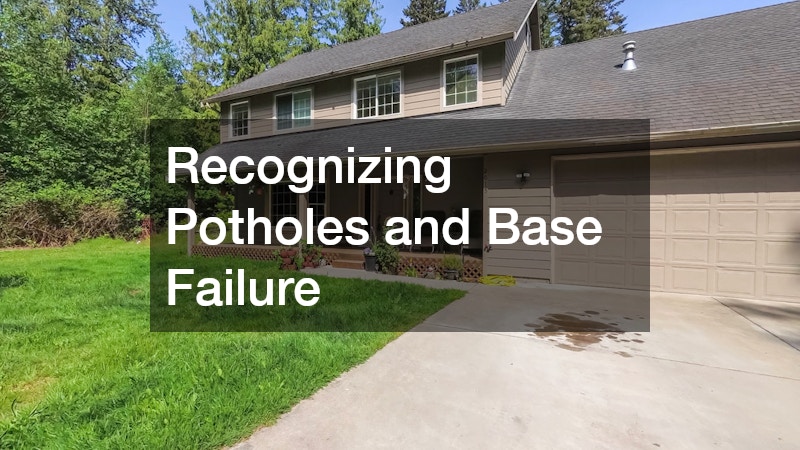
Potholes form when water gets underneath the surface, weakens the base, and the top layer collapses under the weight of vehicles. A single small pothole can sometimes be patched, but if you are seeing several form across the driveway within the same year, that is a sign the entire base has lost its integrity. At that point, patching becomes a temporary fix rather than a real solution.
Understanding what is happening below the surface matters just as much as what you see on top. A poorly compacted or insufficient base layer is one of the most common reasons driveways fail years before they should. This is where the expertise of an excavating contractor becomes valuable, since properly grading and compacting the sub-base is what prevents potholes from returning after a repair.
- Isolated potholes smaller than a dinner plate can often be patched
- Recurring potholes in the same area point to a drainage or base problem
- Potholes near the edge of the driveway often relate to poor soil support
- Potholes that appear right after heavy rain suggest water pooling underneath
Evaluating Drainage Problems and Standing Water
Water is the single biggest enemy of any driveway, whether it is made of asphalt, concrete, or gravel. Standing puddles after rain are not just inconvenient; they indicate the surface has settled unevenly, or that drainage was never properly planned when the driveway was installed. Persistent pooling accelerates cracking, erodes the base, and can even seep toward your home’s foundation if the slope is wrong.
Sometimes the fix is as simple as regrading a section, but other times the entire slope needs to be reworked from the ground up. If pooling covers large sections of your driveway rather than a single low spot, that is usually a sign the whole surface needs to be reset rather than patched piecemeal. A qualified asphalt contractor can assess the pitch and tell you whether a topical fix will hold or whether the underlying grade needs correction.
- Small isolated puddles after rain may be resolved with localized regrading
- Widespread pooling across multiple sections suggests a grading failure
- Water pooling near the garage or house entry needs urgent attention
- Persistent moisture invites moss, algae, and further surface breakdown
Assessing the Age and Material of Your Driveway
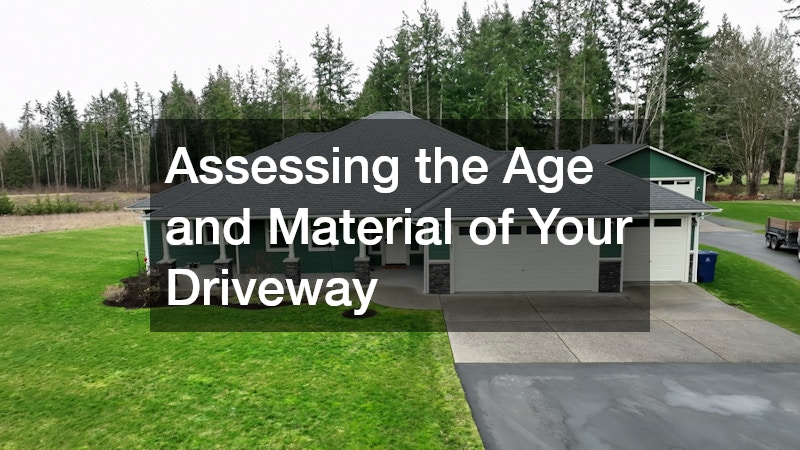
Every driveway material has a general lifespan, and knowing where yours falls on that timeline helps you decide whether repair dollars are well spent. Asphalt driveways typically last 15 to 20 years with regular sealing, while concrete can last 25 to 30 years or more if properly maintained. Pavers and brick driveways have a different maintenance rhythm entirely, often allowing individual units to be lifted and reset rather than patched in the traditional sense.
If your driveway is nearing the end of its expected lifespan and showing multiple types of damage at once, that is usually the tipping point where replacement makes more financial sense than continued repair. Spending a few thousand dollars patching a seventeen-year-old asphalt driveway rarely pays off if you are likely to need full replacement within a few years anyway. Matching the repair investment to the remaining useful life of the material keeps you from throwing good money after bad.
- Asphalt: 15 to 20-year average lifespan with sealing every 2 to 3 years
- Concrete: 25 to 30 year average lifespan with fewer maintenance needs
- Pavers and brick: 20 to 25 years depending on base stability, with damaged units individually replaceable
- Stamped or decorative concrete: similar lifespan to standard concrete but may show wear in the surface finish sooner
Comparing the Cost of Patching Versus Full Replacement
Cost is often the deciding factor, but it helps to think in terms of cost per year of remaining service rather than just the upfront number. A patch job might cost a fraction of a full replacement, but if it only buys you two more years before the driveway needs redoing anyway, the math can favor replacement instead. Get quotes for both options before deciding so you are comparing real numbers rather than assumptions.
Paving contractors can typically walk your property and give you a realistic estimate of how long a repair will hold versus a full tear-out and repave. It is also worth asking whether the same crew handles both the demolition and the new installation, since coordinating multiple companies can add unexpected costs and delays. A transparent contractor will explain not just the price but the reasoning behind their repair-versus-replace recommendation.
- Request itemized quotes for repair and replacement separately
- Ask how long the repair is expected to last before further work is needed
- Factor in disruption cost, such as time without driveway access
- Compare warranty terms, since replacements often come with longer coverage
Choosing Between Asphalt, Concrete, and Gravel for a Replacement
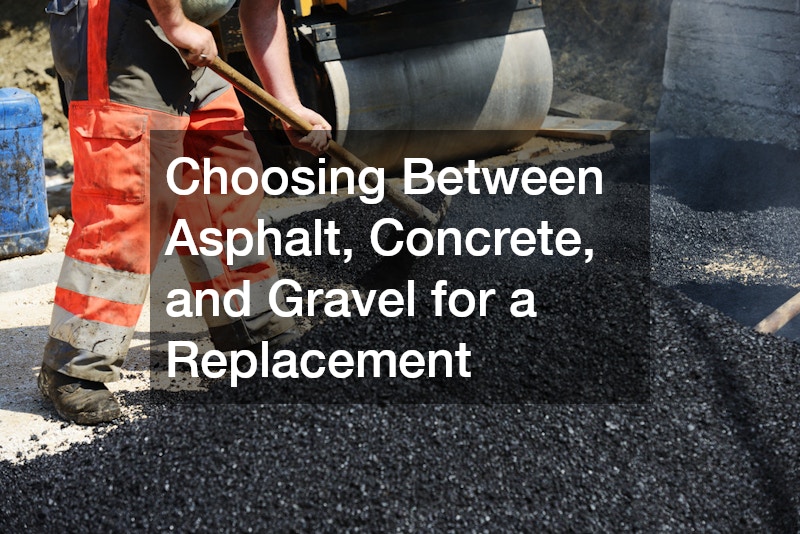
If you have decided replacement is the right path, the next decision is which material fits your climate, budget, and maintenance tolerance. Asphalt paving is popular because it is relatively affordable upfront and can be resurfaced multiple times over its life, though it does require periodic sealing to stay in good shape. Concrete costs more initially but requires less ongoing maintenance and holds up well in warmer climates where asphalt paving can soften.
For homeowners who want a more custom aesthetic, interlocking pavers can create a distinctive and durable driveway, though they come at a higher price point than standard paved alternatives. Pavers handle freeze-thaw cycles well since individual units can shift slightly without cracking the entire surface. The tradeoff is that pavers require the services of professional asphalt paving contractors and periodic joint sand replenishment to keep them looking neat.
- Asphalt paving suits moderate climates and offers lower upfront cost
- Concrete performs well in heat but is pricier and harder to repair invisibly
- Pavers handle freeze-thaw cycles well but require professional installation
- Pavers offer the most design flexibility but come at a premium price
Preparing the Base Correctly Before Any New Installation
No matter which material you choose, the quality of the base beneath it determines how long the new driveway will actually last. Skipping proper excavation and compaction is the single most common reason replacement driveways fail early, regardless of how good the surface material is. This is not a step to cut corners on, even though it is invisible once the project is finished.
Reputable excavation companies will remove the old surface, dig down to the appropriate depth, and install a compacted aggregate base before any asphalt or concrete goes down. This step often requires scheduling a gravel delivery timed to the excavation work, so the aggregate can be spread and compacted in layers rather than dumped all at once. This process also creates the opportunity to correct old drainage mistakes, adjusting the slope so water flows away from your home rather than pooling near the garage. Skimping on this stage to save money almost always costs more later in premature repairs.
- Confirm base depth matches local frost line requirements
- Ask how the sub-base will be compacted and tested before paving
- Verify old drainage issues will be corrected, not just paved over
- Request photos or documentation of the base work before it is covered
Recognizing When Poured Concrete Requires Specialized Equipment
Large concrete driveways, especially those with curves, slopes, or hard-to-reach sections, often require more than a standard concrete truck and wheelbarrows to install correctly. Concrete pumping allows crews to place material precisely and efficiently, even in tight side yards or driveways with elevation changes that a chute alone could not reach. This matters for quality control, since concrete that sits too long before placement can cure unevenly and weaken the finished surface.
If you are getting quotes for a concrete replacement, it is worth asking whether the crew has pumping equipment available or subcontracts that portion of the job. Projects that require this specialized equipment often take slightly longer to schedule, since the equipment needs to be booked separately from the general labor crew. Knowing this upfront helps you plan a realistic timeline for when your driveway will be usable again.
- Pumping is often necessary for driveways with slopes or tight access points
- Ask contractors whether pumping equipment is owned or subcontracted
- Poor placement timing can weaken the cured strength of concrete
- Confirm scheduling timelines if specialized equipment needs to be booked
Extending Your Driveway Repair Into a Larger Paved Area Project
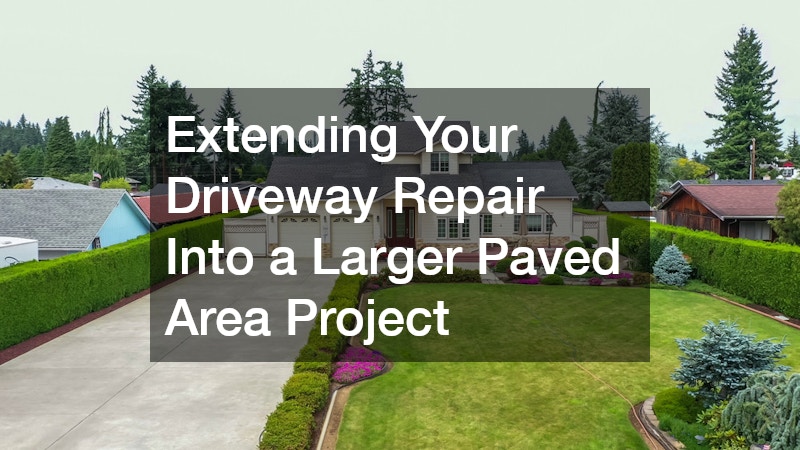
Sometimes what starts as a driveway repair decision opens the door to rethinking a larger paved space, such as a shared parking area for a multi-unit property or a business lot attached to a home office. The same principles of base preparation, drainage, and material selection apply at a larger scale, but the stakes for getting it wrong are higher given the added traffic and weight. If your project falls into this category, it is worth consulting a parking lot contractor who has experience with heavier commercial-grade loads and striping requirements.
Even for a purely residential driveway, thinking a little bigger picture can pay off, especially if you are planning additional parking pads, a basketball court extension, or a widened apron near the street. Coordinating these additions at the same time as your driveway replacement can save money compared to tackling them as separate projects later. It also ensures consistent grading and drainage across the entire paved area rather than mismatched sections that behave differently in rain and freeze cycles.
- Combine driveway and adjacent paved projects for cost efficiency
- Ask about weight load requirements if the area will see heavier vehicles
- Confirm striping or layout needs if the space serves multiple vehicles
- Plan drainage as a single connected system across all paved sections
Deciding between repair and replacement comes down to honestly assessing the extent of the damage, the age of your materials, and how much you are willing to invest for the years of service you actually need. Small isolated issues almost always favor a targeted repair, while widespread cracking, recurring potholes, or a driveway nearing the end of its expected lifespan usually point toward replacement. Get more than one professional opinion, ask detailed questions about the base and drainage work, and use the cost comparisons in this guide to make a decision you can feel confident about. Your driveway is one of the first things people see when they visit your home, and getting this decision right protects both its appearance and its long-term value.