
Most homeowners only think about their house’s major systems when something breaks, but that reactive approach ends up costing far more than a planned, long-term strategy. A home is really a collection of interconnected systems, from the roof down to the pipes below the yard, and each one ages on its own timeline. Taking a whole-home view lets you prioritize upgrades, budget for replacements before they become emergencies, and choose materials that hold up for decades rather than years. This guide walks through the major systems worth evaluating now, so you can build a home that performs efficiently for the long haul.
Evaluate Your Home Comfort Equipment
Heating and cooling account for a huge share of the average utility bill, and equipment that is more than twelve to fifteen years old is often working harder than it should. Older systems lose efficiency gradually, so many homeowners do not realize how much they are overpaying until they compare bills year over year. A furnace or air conditioner that once ran a few cycles per hour may now be running almost constantly just to hit the same temperature, straining components and shortening its remaining lifespan.
A professional evaluation of your heating and cooling setup can reveal whether ductwork leaks, outdated thermostats, or an undersized unit are dragging down performance. Duct leaks alone can waste twenty to thirty percent of conditioned air before it ever reaches a room, forcing the system to overcompensate. A technician can also check refrigerant levels, airflow, and static pressure, all of which affect both comfort and energy use in ways that are invisible from the thermostat. Replacing a struggling system with a properly sized, high-efficiency model often pays for itself within several years through lower energy costs.

Look for equipment with a high SEER2 rating for cooling or AFUE rating for furnaces, and consider pairing it with a smart or zoned thermostat system for more precise control. Sizing matters just as much as efficiency rating; an oversized unit cycles too frequently and wears out faster, while an undersized one never quite keeps up, so a proper load calculation should guide any replacement decision.
Beyond the equipment itself, insulation and ventilation play a major role in how efficiently a home stays comfortable. A system that is technically working fine can still waste energy if the house around it is not sealed properly. Your furnace or AC unit might be running at peak performance and still losing the battle against drafty windows, thin attic insulation, or gaps around doors.
Start by checking insulation levels in the attic, walls, and crawl spaces, since these areas are common culprits for heat loss in winter and heat gain in summer. Most homes benefit from an attic insulation R-value between R-38 and R-60, depending on climate zone, yet many older houses fall well short of that standard. A quick way to spot problem areas is to look for uneven frost or snow melt patterns on the roof, which often signal where warm air is escaping.
Ventilation deserves equal attention, since poor airflow can trap moisture, reduce indoor air quality, and force your HVAC system to work harder than necessary. Bathroom and kitchen exhaust fans, attic vents, and whole-house ventilation systems all contribute to balanced airflow. If a home feels stuffy, develops condensation on windows, or has inconsistent temperatures between rooms, that is often a sign the ventilation strategy needs a second look rather than the equipment itself.
- Have ductwork inspected for leaks or disconnected sections every few years; sealing leaks can improve efficiency by up to 20%
- Replace air filters every 1-3 months depending on usage and household factors like pets or allergies
- Consider a programmable or smart thermostat to reduce unnecessary run time, with setback schedules that can trim heating and cooling costs by 10% or more
- Ask about efficiency ratings when comparing new equipment, such as SEER for air conditioners and AFUE for furnaces
- Schedule annual professional tune-ups for HVAC systems to catch small issues before they become costly repairs
- Check that vents and registers are unobstructed by furniture or rugs so air can circulate properly
Schedule Routine Maintenance for Your Cooling System
Even a newer air conditioner needs regular attention to keep running at peak performance. Dust, debris, and worn components build up over time, forcing the compressor to work harder and shortening the unit’s lifespan. A system that loses even a small amount of refrigerant or airflow can see efficiency drop by 10 to 20 percent, which shows up quickly on monthly energy bills. Scheduling annual AC service before the hottest months hit means small issues like low refrigerant, a dirty coil, or a clogged filter get caught before they turn into a full breakdown.
A thorough visit typically includes checking refrigerant levels, inspecting electrical connections, lubricating moving parts, and clearing condensate drain lines that can back up and cause water damage. Technicians will also test thermostat calibration and airflow across the coils, since restricted airflow is one of the most common causes of premature compressor failure.
Between professional visits, homeowners can extend the benefits by replacing air filters every one to three months and keeping outdoor condenser units clear of leaves, grass clippings, and overgrown shrubs. This kind of preventive care is one of the simplest ways to stretch the life of expensive equipment, often adding years of reliable service, while keeping energy bills predictable and avoiding costly emergency repairs during peak summer demand.

Keep Your Plumbing and Drainage Systems Flowing
Plumbing problems rarely start with a dramatic burst pipe; they usually begin as a slow clog or a minor leak that goes unnoticed. Over months or years, mineral buildup, grease, and debris narrow the inside of pipes, reducing water flow and putting extra pressure on joints and fittings. Professional drain cleaning on a routine basis clears this buildup before it causes backups, slow drains, or costly water damage. It is a relatively inexpensive service that protects both your plumbing infrastructure and the floors, cabinets, and walls near it.
Homeowners who wait until a drain is fully blocked often end up paying for emergency visits and sometimes repairs to damaged pipework. Catching the problem early is almost always cheaper and less disruptive.
- Watch for slow-draining sinks or tubs as an early warning sign
- Avoid pouring grease or coffee grounds down kitchen drains
- Have main lines inspected if you notice recurring clogs in multiple fixtures
- Keep a record of when drains were last professionally cleared
Maintain Your Septic System for Reliable Performance
If your home relies on a septic system rather than a municipal sewer line, regular upkeep is essential to avoid expensive failures. Solid waste naturally accumulates in the tank over time, and if it is not removed, it can clog the drain field and force sewage backward into the home. Scheduling septic tank pumping every three to five years, depending on household size and usage, keeps the system functioning as designed. Skipping this maintenance is one of the most common reasons septic systems fail prematurely, often requiring a full drain field replacement that costs thousands of dollars.
Invest in Durable Roofing and Decking Materials
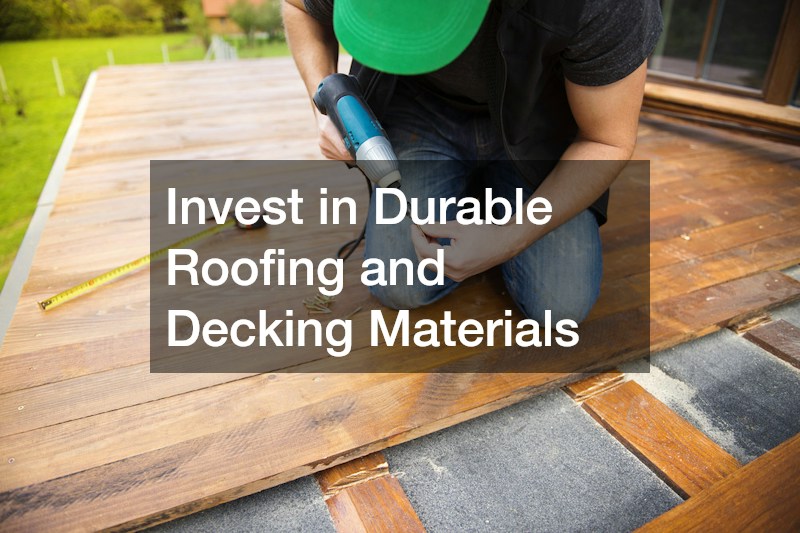
When it comes time to replace a deck, the material you choose has a major impact on how much maintenance it will need over the coming years. Traditional wood decking looks great initially but requires regular staining, sealing, and repair to resist rot, warping, and insect damage. Most wood decks need restaining every two to three years, and boards that trap moisture can start rotting within a decade if upkeep slips. Composite metal decking has become a popular alternative because it resists moisture, does not splinter, and holds up to temperature swings far better than untreated wood.
Many of these products carry warranties of 25 to 50 years and require nothing more than occasional washing to stay looking new. They also tend to resist fading, scratching, and insect infestation, which eliminates several of the headaches that come with wood maintenance. The same logic applies to your roof. Asphalt shingles are the cheapest option upfront but typically last only 15 to 20 years, while metal roofing, slate, or high-grade architectural shingles can last 40 to 70 years with minimal repair.
While the upfront cost of these more durable materials is higher, the reduced maintenance and longer lifespan often make them the more economical choice over a ten or twenty year period. Factoring in avoided repair bills, lower insurance premiums in some regions, and the resale value a durable roof or deck adds to a home, the long-term math frequently favors paying more now.
Protect Your Home’s Exterior Walls and Insulation
Siding does more than determine curb appeal; it is a critical barrier against moisture, wind, and temperature changes that affect everything inside the walls. Cracked, warped, or gapped siding allows water to seep behind it, which can lead to hidden rot and mold growth long before any damage is visible from outside. Working with experienced siding contractors ensures that new material is installed with proper flashing and moisture barriers, not just fastened over existing problems. Choosing an insulated siding option can also improve your home’s overall energy efficiency by reducing drafts around windows and doors.
Timing matters too. Replacing siding before it fails completely prevents the kind of water intrusion that can compromise framing and insulation, which are far more expensive to fix than the siding itself.
- Inspect siding annually for cracks, warping, or loose panels
- Pay attention to soft spots near windows and doors, a sign of hidden moisture
- Ask about insulated or weather-resistant siding options during replacement
- Address minor damage quickly before it spreads to larger sections
Strengthen Your Property Against Severe Weather
As extreme weather events become more frequent in many parts of the country, more homeowners are looking at ways to protect their families beyond standard construction codes. Storm shelters, whether installed below ground or as reinforced safe rooms within the home, offer a dedicated space designed to withstand high winds and flying debris during tornadoes or severe storms. These structures are typically built from reinforced steel or concrete and anchored well below or within the existing foundation for maximum stability. For households in tornado-prone or hurricane-prone regions, this kind of investment provides peace of mind that a standard basement or interior room simply cannot match.
Choose the Right Foundation and Driveway Materials
Concrete work is one of those home improvements that is easy to overlook until a driveway cracks or a foundation shows signs of settling. The quality of the pour itself has a lot to do with how long the finished surface lasts, which is why many contractors now rely on metered concrete delivery to ensure accurate mixing and consistent material quality on-site. This method reduces the risk of a batch being too wet or too dry, which can lead to premature cracking or weak spots. Whether you are replacing a driveway, pouring a new patio, or reinforcing a foundation, starting with properly measured materials sets the stage for a surface that holds up for decades.

Maintain Your Landscaping for Long-Term Property Value
A home’s systems are not limited to what is inside the walls; the land around the house plays a role in drainage, foundation health, and overall efficiency too. Overgrown roots from trees planted too close to the house can interfere with underground pipes, while poor grading can direct water toward the foundation instead of away from it. Professional lawn care services can help manage this by keeping vegetation trimmed back, improving soil drainage, and spotting early signs of erosion before they become structural problems. A well-maintained yard also supports better stormwater management, which reduces strain on drainage systems during heavy rain.
Partner With the Right Professionals for Major Upgrades
Rethinking every system in your home is not a project most people can or should tackle entirely on their own. Larger jobs, especially anything involving gas lines, electrical connections, or structural changes, require licensed professionals who understand local codes and safety requirements. When it comes time to replace an aging furnace or boiler, working with an established heating company ensures the new equipment is sized correctly and installed to manufacturer specifications. Getting multiple quotes and asking for references helps you compare not just price but the quality of workmanship behind each bid.
Improving a home’s long-term efficiency is not about tackling everything at once, but about understanding which systems need attention now and which can be planned for over the next several years. Start with an honest assessment of your home’s biggest pain points, whether that is a struggling furnace, a cracked driveway, or siding that has seen better days. From there, prioritize the upgrades that offer the best combination of safety, efficiency, and long-term savings. A little planning today can prevent the kind of costly emergencies that catch so many homeowners off guard.