
Every season brings a different set of challenges for homeowners. Heavy rain, freezing temperatures, humidity, high winds, and intense sunlight all place stress on your home’s structure and systems. Over time, these conditions can lead to leaks, cracks, mold growth, insulation issues, and expensive repairs if they aren’t addressed early.
The key to protecting your home isn’t reacting to damage after it happens—it’s building a proactive maintenance strategy that prepares your property year-round. By understanding how each part of your home responds to seasonal changes, you can reduce risk, extend the lifespan of your materials, and maintain both comfort and property value.
This guide breaks down the most important areas of your home that are vulnerable to seasonal damage and provides practical, actionable steps to keep everything protected.
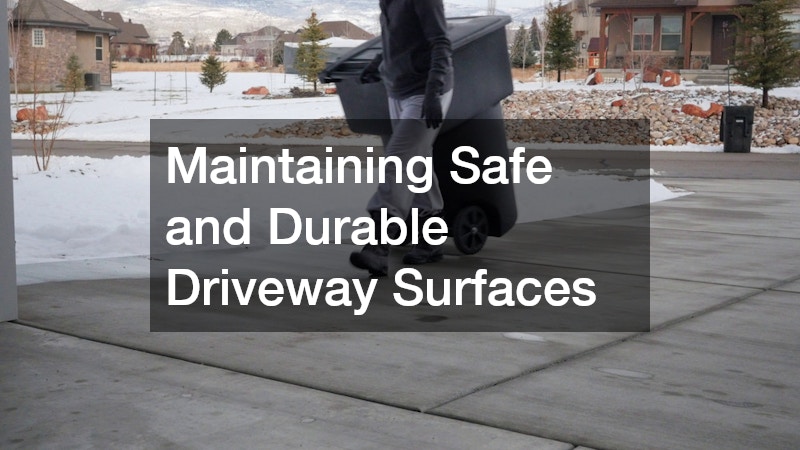
Maintaining Safe and Durable Driveway Surfaces
Protecting Your Roof From Weather-Related Damage
Your roof acts as your home’s primary shield against the elements. Seasonal storms, heavy snow, hail, and high winds can loosen shingles, damage flashing, and create hidden leaks that may go unnoticed until significant interior damage occurs. Over time, even minor issues can escalate, allowing moisture to seep into insulation, weaken structural components, and promote mold growth within attic spaces. UV exposure during warmer months can also dry out roofing materials, making them more brittle and vulnerable to cracking.
Scheduling routine inspections through roofing services is one of the most effective ways to prevent costly structural damage. Professionals can identify weak points before they become major issues and recommend targeted repairs rather than full replacements. They also have the tools to safely assess steep or hard-to-reach areas that homeowners may overlook.
Homeowners should focus on:
- Checking for missing or curled shingles after storms
- Inspecting attic spaces for moisture or light penetration
- Cleaning gutters and roof valleys regularly
- Removing branches or debris that may trap moisture
A well-maintained roof not only protects your home but also improves energy efficiency and prevents interior damage during extreme weather.
In addition, it’s important to monitor flashing around chimneys, vents, and skylights, as these are common failure points where leaks often begin. Ice dams in colder months can also force water under shingles, making proper insulation and ventilation critical. Scheduling seasonal maintenance before peak weather conditions ensures your roof remains resilient year-round. Preventative care also helps extend the lifespan of roofing materials, delaying the need for expensive replacements while maintaining the overall integrity and safety of your home.
Preserving Structural Integrity in Brick and Stone Exteriors
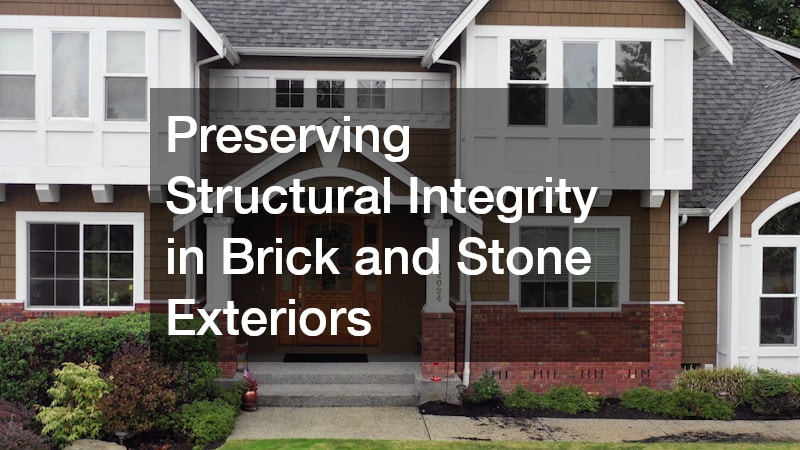
Brick, stone, and other masonry surfaces are known for their strength and long lifespan, but they are still highly vulnerable to seasonal stressors. Moisture infiltration is one of the most common threats, especially when rainwater seeps into small openings and freezes during colder months. This freeze-thaw cycle causes internal expansion, which gradually widens cracks, loosens mortar, and can eventually lead to sections of the structure shifting or breaking apart. Over time, even minor surface imperfections can evolve into significant structural concerns if left unaddressed.
Professional masonry contracting services can help restore and reinforce structural elements before damage spreads. Proper sealing and repair techniques are critical for longevity. Skilled professionals can also assess whether damage is purely cosmetic or indicative of deeper foundation or load-bearing issues, which is essential for preventing long-term instability.
Helpful maintenance practices include:
- Checking mortar joints for cracks or gaps
- Sealing stone surfaces to reduce moisture absorption
- Repairing small chips before they expand
- Monitoring foundation edges for shifting or settling
In addition to these steps, homeowners should also pay attention to efflorescence—a white, powdery residue that can indicate water movement through masonry materials. This is often an early warning sign of moisture-related deterioration. Vegetation growing too close to brick or stone surfaces can also trap moisture and accelerate damage, so maintaining clear space around exterior walls is important.
Regular seasonal inspections, especially after heavy rainfall or freezing weather, help identify problems early. Addressing masonry issues promptly not only preserves structural safety but also maintains the aesthetic value and historic character of the home’s exterior.
Restoring Exterior Surfaces Through Deep Cleaning
Seasonal buildup of dirt, algae, mold, mildew, and environmental debris can gradually weaken exterior surfaces if left untreated. These contaminants don’t just affect appearance—they can actively break down materials over time. Algae and moss, for example, retain moisture against siding and roofing, which accelerates deterioration and increases the risk of rot, staining, and surface erosion. In shaded or humid areas, this buildup can become especially persistent and difficult to remove without proper treatment.
Hiring a pressure cleaning contractor ensures surfaces are cleaned safely without causing damage to siding, walkways, roofing materials, or delicate finishes. Professional-grade equipment allows for controlled pressure settings, which is important because excessive force can strip paint, damage wood fibers, or loosen protective coatings. Experts also know how to treat different materials appropriately, ensuring thorough cleaning without compromising structural integrity.
Effective cleaning strategies include:
- Scheduling seasonal exterior washing (spring and fall recommended)
- Removing algae buildup from shaded areas
- Cleaning driveways, decks, and patios thoroughly
- Using appropriate pressure levels for different materials
Routine cleaning not only improves curb appeal but also helps prevent long-term surface degradation caused by organic buildup.
In addition, homeowners should pay attention to areas where water tends to linger, such as around gutters, roof edges, and lower siding sections. These zones are more prone to biological growth and should be prioritized during cleaning sessions. Pre-treating heavily affected areas with environmentally safe cleaning solutions can also improve results and reduce the need for repeated high-pressure washing. Consistent maintenance helps preserve protective coatings and extends the lifespan of exterior materials, ultimately reducing repair and replacement costs over time.
Preventing Moisture Damage in High-Use Interior Spaces
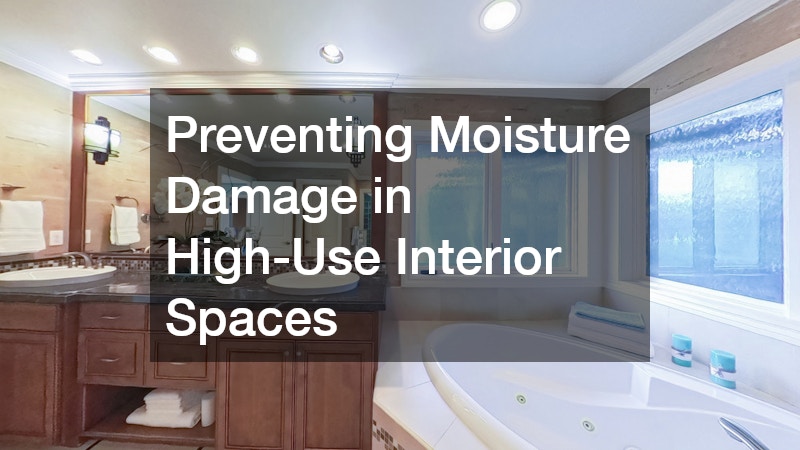
Bathrooms are among the most moisture-intensive areas in any home, and they are especially vulnerable to seasonal humidity changes, plumbing stress, and ventilation issues. When outdoor temperatures shift, indoor humidity levels often fluctuate as well, which can lead to condensation buildup on walls, mirrors, and ceilings. Over time, this excess moisture can create the perfect environment for mold growth, grout deterioration, peeling paint, and even hidden structural damage behind walls and under flooring.
A well-planned bathroom remodel can significantly improve moisture resistance and overall durability. Upgrading materials and improving ventilation systems helps prevent long-term issues before they begin. Modern design approaches focus not only on aesthetics but also on long-term water management, airflow optimization, and material resilience.
Key improvement strategies include:
- Installing moisture-resistant flooring and wall materials
- Upgrading ventilation fans for better airflow
- Sealing grout lines and joints properly
- Addressing plumbing leaks immediately
Preventative upgrades reduce long-term maintenance costs and improve indoor air quality.
In addition, homeowners should consider how daily habits contribute to moisture buildup. Long showers without proper ventilation, for example, can significantly increase humidity levels in a short period of time. Using squeegees on shower walls, leaving doors slightly open after use, and running exhaust fans for at least 20–30 minutes post-shower can all help control excess moisture.
Lighting and insulation also play a role in moisture management. Poorly insulated exterior walls can create cold spots where condensation forms more easily, while outdated lighting fixtures may not be sealed against humidity exposure. Addressing these factors during a renovation ensures the space remains durable, comfortable, and resistant to seasonal changes over the long term.
Protecting Outdoor Landscaping From Seasonal Erosion
Landscaping plays a crucial role in directing water away from your home’s foundation. Poorly maintained soil and mulch can lead to erosion, pooling water, and foundation stress.
Working with a mulch supplier ensures your landscaping materials are properly refreshed each season to maintain effective ground coverage and moisture control.
Important maintenance steps include:
- Replenishing mulch before extreme weather seasons
- Ensuring proper slope grading around the home
- Avoiding excessive mulch buildup against siding
- Using mulch to regulate soil temperature and moisture
Healthy landscaping acts as a protective barrier between your home and harsh environmental conditions.
Strengthening Exterior Walls for Long-Term Protection
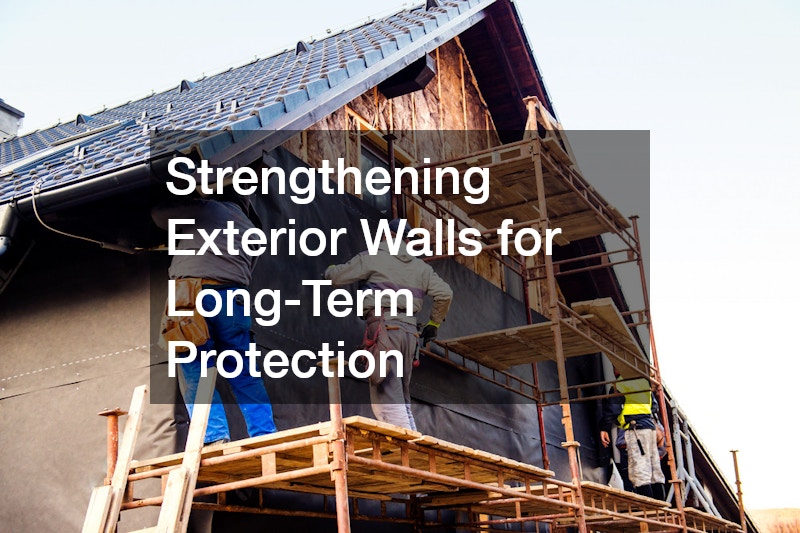
Your home’s siding acts as a protective shell against wind, rain, and temperature fluctuations. When damaged or improperly installed, it can lead to moisture intrusion and energy loss.
Professional vinyl siding installation provides a durable, low-maintenance solution that improves both insulation and weather resistance.
Key benefits and maintenance tips include:
- Inspecting siding panels for cracks or warping
- Ensuring proper sealing around windows and doors
- Cleaning siding surfaces to prevent buildup
- Choosing durable materials designed for local climate conditions
Well-installed siding significantly improves energy efficiency and protects your home’s structural frame.
Ensuring Proper Installation and Repair of Exterior Panels
Even the highest-quality siding materials can fail if not installed correctly. Poor alignment, loose panels, or gaps can allow moisture and pests to enter your home.
Experienced siding installers ensure proper fitting, sealing, and alignment for maximum protection and longevity.
Homeowners should consider:
- Regular inspections for loose or damaged panels
- Immediate repair of gaps or separation points
- Professional assessment after severe storms
- Upgrading outdated siding systems when necessary
Proper installation is just as important as material quality when it comes to long-term performance.
Preventing Water Damage With Improved Drainage Systems
Clogged or damaged gutters are one of the leading causes of foundation and roof problems. When water is not properly directed away from the home, it can pool around the foundation and cause structural issues.
Installing gutter guards is an effective way to reduce debris buildup and improve water flow efficiency year-round.
Maintenance recommendations include:
- Cleaning gutters at least twice a year
- Checking for sagging or disconnected sections
- Ensuring downspouts direct water away from the foundation
- Inspecting after heavy storms for blockages
Proper drainage systems are essential for preventing costly water-related damage.
Maintaining Efficient Heating and Cooling Systems Year-Round
Seasonal temperature changes place significant strain on your home’s heating and cooling systems. Without proper maintenance, this can lead to inefficiency, breakdowns, and higher energy bills.
A professional HVAC contractor can help ensure your system operates efficiently and reliably throughout the year.
Key maintenance steps include:
- Replacing air filters regularly
- Scheduling seasonal system inspections
- Cleaning vents and ductwork
- Monitoring energy usage for sudden changes
A well-maintained system improves comfort, reduces costs, and extends equipment lifespan.
Building a Complete Year-Round Protection Strategy
Protecting your home from seasonal damage requires consistent attention across all areas of the property. From exterior surfaces and drainage systems to interior spaces and mechanical equipment, every component plays a role in maintaining overall stability and comfort.
By taking a proactive approach—inspecting regularly, addressing issues early, and investing in professional maintenance when needed—you can significantly reduce repair costs and extend the life of your home.
A year-round strategy ensures your property remains safe, efficient, and resilient no matter what the seasons bring.