
I. Introduction
The desire for a beautiful, magazine-worthy culinary space is a nearly universal dream for homeowners. You flip through architectural digests or scroll through pristine social media feeds, envisioning a space defined by sweeping islands, bespoke hardware, and flawless surfaces. However, the emotional high of designing this dream space is almost always met with the sobering, often crushing, reality of the estimates. The sticker shock that accompanies major home renovations can be profound, leading many to believe that a premium aesthetic is entirely out of reach unless they are willing to take on crippling debt.
This does not have to be your reality. Achieving a high-end look without an endless supply of capital requires a shift in mindset. Luxury design is rarely about buying the most expensive option for every single detail in the room. Instead, it is about mastering the “high-low” strategy. This approach involves strategic spending, creating distinct visual focal points that draw the eye, and knowing exactly where you can seamlessly cut costs behind the scenes without compromising the overall structural integrity or visual appeal of the space.
This comprehensive guide is designed to equip you with actionable, insider tactics to elevate your culinary space without draining your savings account. By strategically planning your layout, upcycling existing structures rather than sending them to a landfill, and sourcing high-impact materials with efficiency, you can achieve a bespoke, premium aesthetic on a middle-tier budget. The goal is to create a room that feels impossibly expensive but is grounded in smart, calculated financial decisions. Let us explore the blueprint for building your ideal space step-by-step.
II. Section 1: Strategic Planning and Professional Guidance

Before a single hammer swings or a paint color is chosen, the financial fate of your project is decided during the planning phase. The most breathtaking designs are born from strict parameters. Acknowledging your boundaries early on will prevent the cascading financial failures that plague poorly planned renovations.
Keep Your Existing Footprint and Avoid Moving Plumbing
The fastest way to obliterate a budget is by attempting to change the fundamental architecture of the room. Moving your sink to the opposite wall or relocating a gas range to a brand-new island sounds wonderful in theory, but the hidden costs are astronomical. Relocating plumbing requires opening up floors, sometimes trenching into concrete slabs, running new water supply lines, ensuring proper drainage slopes, and pulling complex municipal permits. Similarly, moving a gas line or upgrading an electrical panel to support a relocated induction cooktop requires highly paid, specialized labor.
During kitchen remodeling, optimizing your existing layout is the ultimate secret to keeping structural costs low. Focus on the classic “work triangle”—the invisible lines connecting your stove, sink, and refrigerator. If your current triangle functions reasonably well, keep those heavy utility items exactly where they are. You can dramatically alter the feel of the room by changing the surfaces and colors rather than the invisible infrastructure behind the drywall.
Actionable Tip: Map out your current workflow on a piece of paper. Track your movements while cooking a standard meal. Only commit to moving electrical or plumbing if the current layout is fundamentally unsafe, creates a massive bottleneck, or is completely unworkable for your daily life.
Consult Experts for High-Impact Master Plans Only
There is a pervasive myth that hiring design professionals is a luxury reserved solely for the ultra-wealthy. Homeowners often assume that bringing in an expert means handing over the entire project management and paying massive percentage-based commissions. However, paying for expert ideas does not obligate you to pay for their execution.
Booking independent kitchen designers for a few hours of hourly consultation is one of the highest-return investments you can make. These professionals can look at your space with an objective, experienced eye. They can draft a cohesive layout, suggest a sophisticated color palette, and point out workflow issues you may have never considered. A two-hour consultation might cost a few hundred dollars, but it will save you thousands by preventing expensive design mistakes, awkward spacing, or clashing material selections later down the line. You walk away with a master blueprint that you can then execute at your own pace, sourcing your own contractors and materials.
Actionable Tip: Bring a highly curated mood board and accurate, to-scale room measurements to your hourly consultation. The more prepared you are, the less time the expert spends measuring, allowing them to focus entirely on maximizing your layout and color theory.
III. Section 2: Upgrading Cabinetry Without Tearing Everything Out
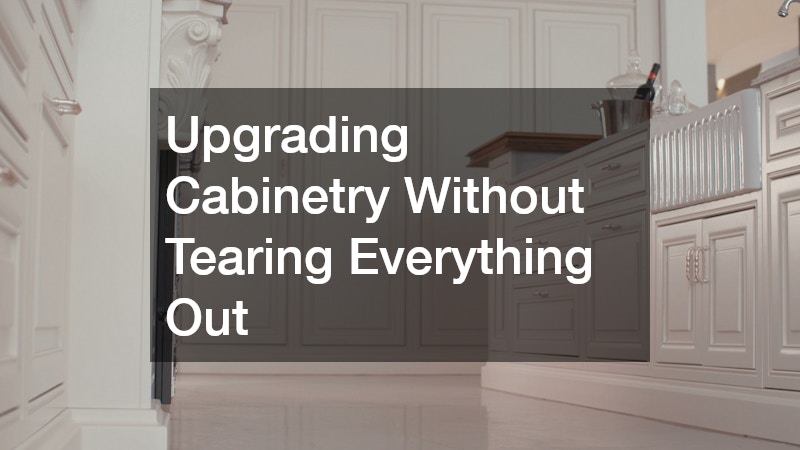
Cabinetry is the visual anchor of the room and typically the most expensive line item in any renovation budget. It is not uncommon for brand-new, high-quality wooden boxes to consume forty percent or more of your total allocated funds. If you want to keep costs down while elevating the aesthetic, you must look at your existing structures creatively.
Reface and Paint Existing Box Structures
If your current cabinet boxes are structurally sound—meaning the frames are not warped, water-damaged, or pulling away from the walls—tearing them out and sending them to a dumpster is a massive waste of capital. The interior boxes are rarely seen; it is the doors and drawer fronts that dictate the style of the room. Refacing is a transformative strategy. This process involves leaving the sturdy boxes in place, applying a fresh veneer or high-grade paint to the visible face frames, and ordering completely new, modern doors and drawer fronts to attach to the old framework.
By taking this route, you instantly bypass the heavy labor costs of demolition and full-scale installation. You can even hire a specialized kitchen cabinet designer just to help you select the right door profiles and calculate the exact overlay measurements needed to give your old boxes a modern, flush appearance. Shaker-style doors are an excellent choice here; their clean, timeless lines mimic high-end transitional architecture but are significantly cheaper to manufacture than intricate, raised-panel designs.
Actionable Tip: Upgrade your hinges while refacing. Swapping out old, exposed hinges for hidden, soft-close hardware gives older cabinetry a distinctly modern, premium feel every time a door is shut.
Elevate the Aesthetic with Heavy Hardware
Hardware is the jewelry of the room. It is the touchpoint that you interact with every single day, and it heavily influences the perceived quality of the entire space. Cheap, flimsy, lightweight knobs will make even the most expensive custom doors feel builder-grade. Conversely, heavy, substantial hardware can make painted, refaced cabinets feel incredibly bespoke and expensive.
Because you have saved thousands of dollars by salvaging your cabinet boxes, you can comfortably reallocate a small portion of those funds into premium hardware. Solid cast brass, unlacquered brass that patinas over time, or heavy matte black pulls instantly elevate the tactile experience. Furthermore, saving massive amounts on the woodwork frees up the bulk of your budget to invest in high-impact horizontal surfaces, allowing you to finally afford that custom kitchen countertop you envisioned.
Actionable Tip: Buy your hardware in bulk packs from specialized architectural salvage yards, online specialty wholesalers, or estate sales rather than purchasing individual knobs at heavy markups from big-box home improvement stores.
IV. Section 3: Selecting High-End Surfaces for Less
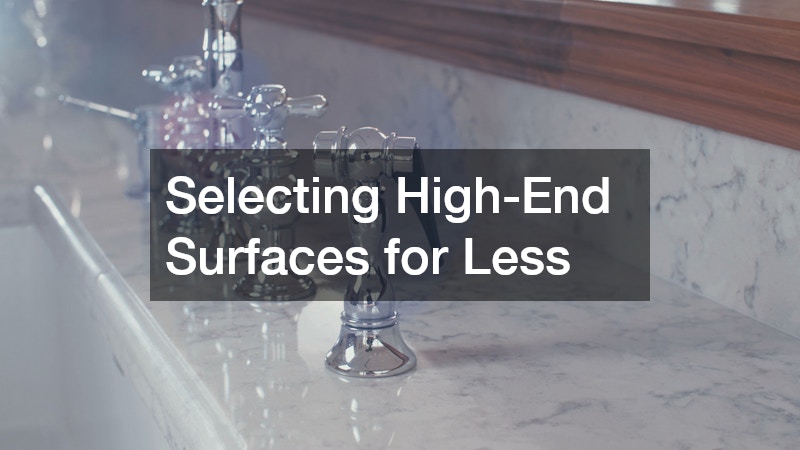
The horizontal surfaces in your culinary space take the most physical abuse while also serving as a major visual focal point. Choosing the right material is a delicate balancing act between aesthetic desires, maintenance realities, and budget constraints.
Source Remnants for Islands and Small Runs
If you are determined to feature authentic, high-end stone in your design but cannot justify the cost of buying multiple full slabs, the remnant yard is your greatest ally. Remnants are the leftover pieces of stone from much larger residential or commercial jobs. Because fabricators cannot easily sell a half-slab to a standard customer, these pieces take up valuable warehouse space and are often drastically discounted to clear inventory.
This strategy is highly effective if you only need a smaller piece of material. A stunning, exotic piece of a genuine natural stone countertop can be purchased at a fraction of the retail cost if it is only needed to cover a standalone center island, a small coffee bar, or an isolated baking station. You get the unmistakable luxury of organic veining and texture right where guests gather, without paying the premium to wrap your entire perimeter in the same material.
Actionable Tip: Be highly flexible regarding your exact shade or veining when hunting for remnants. Walking into a stone yard with an open mind rather than a rigid requirement allows you to capitalize on the absolute best clearance deals available that specific day.
Choose Durable, Engineered Alternatives
True luxury is not just about appearances; it is also about the luxury of living in your home without constant anxiety. Natural stones are undeniably beautiful, but they often require rigorous sealing schedules, careful cleaning protocols, and constant vigilance against spills. For the expansive perimeter areas where heavy food preparation occurs, durability should be a primary concern.
Engineered surfaces have evolved dramatically over the past decade. Modern quartz countertops—which are manufactured by combining crushed natural stone dust with heavy-duty polymer resins—now perfectly mimic the premium look of delicate stones like Calacatta or Carrara. They offer superior durability, are completely non-porous, never require sealing, and often present a much friendlier price point for large, continuous perimeter runs. Mixing a high-end natural remnant on the island with a durable, cost-effective engineered surface on the perimeter is the epitome of smart luxury design.
| Surface Material | Aesthetic Appeal | Maintenance Level | Budget Friendliness |
| Solid Surface (Acrylic) | Matte, seamless | Low | High |
| Engineered Quartz | High-end mimicry | Low | Medium |
| Premium Granite/Quartzite | Unique, organic | Medium | Low |
V. Section 4: The Look of Luxury: Navigating the Marble Aesthetic

There is a specific reason why classical architecture and high-end interiors rely so heavily on marble. It possesses a luminous, deep quality that is difficult to replicate, instantly broadcasting elegance and refinement. However, capturing this aesthetic on a budget requires careful material placement and aggressive sourcing tactics.
Restrict Premium Materials to Visual Focal Points
Nothing quite matches the depth, light refraction, and elegant veining of a true marble countertop. However, one must candidly address its exorbitant upfront cost and its high-maintenance reality. Marble is composed primarily of calcium carbonate, making it incredibly soft and highly reactive to acids. A spilled glass of red wine, a squirt of lemon juice, or even a drop of tomato sauce left too long will chemically etch the surface, leaving permanent dull spots.
If you absolutely must have this material to satisfy your design vision, restrict it strictly to a visual focal point that sees less heavy-duty culinary action. Installing it on a raised bar top or a specialized baking station allows you to showcase the luxury without subjecting the delicate stone to the daily abuses of chopping, frying, and scrubbing. For the rest of the room, pair it with affordable, warm butcher block or dark, honed absolute black granite to create a sophisticated, high-contrast aesthetic that protects your wallet.
Actionable Tip: Always mandate that your fabricator use a specialized, commercial-grade impregnating sealant on porous stones prior to your first cooking session. Additionally, enforce a strict “no red wine or citrus left on the counter” rule for anyone using the space.
Negotiate Directly with Fabricators and Suppliers
The path materials take from the earth to your home is paved with middlemen, and every single hand that touches the product adds a markup. When you buy materials through a general contractor or a boutique retail showroom, you are paying a premium for their sourcing efforts, their showroom overhead, and their project management fees.
To keep your budget intact while acquiring premium finishes, you must be willing to do the legwork yourself. Detail the financial benefits of driving out to the industrial parks on the outskirts of your city. Here, you can negotiate and purchase slabs directly from regional tile and marble companies and the fabricators who actually cut the stone. By cutting out the retail middleman, you can often secure wholesale pricing or negotiate significant discounts on fabrication labor.
Actionable Tip: Ask independent fabricators if they offer a discount for cash payments. Additionally, inquire if they have “b-stock” slabs sitting in the back—these are slabs with minor edge imperfections or undesirable spots that a skilled fabricator can simply cut around during the templating process, saving you hundreds of dollars.
VI. Section 5: Grounding the Room with Premium (Yet Affordable) Floors
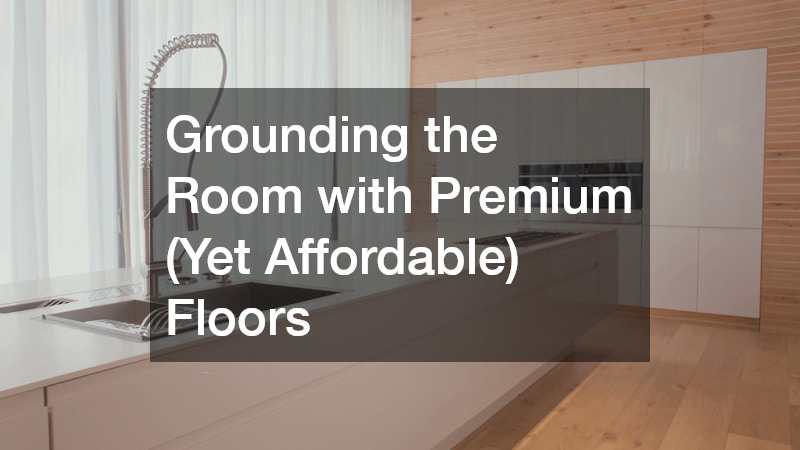
The floor is the largest single surface area in the room. It visually grounds the space and heavily influences the perceived scale of the architecture. A cheap, poorly installed floor will drag down the appearance of even the most expensive cabinetry and appliances. Fortunately, achieving a sweeping, high-end look underfoot is entirely possible on a restricted budget.
Install Large-Format Planks to Reduce Grout Lines
The visual psychology of a room is heavily impacted by patterns. Busy, small patterns with wide, contrasting grout lines can make a space feel frantic, compartmentalized, and visually cramped. Conversely, oversized, continuous materials create an expansive, serene, gallery-like feel that is closely associated with high-end modern architecture.
To mimic the grand look of poured terrazzo, continuous concrete, or massive natural stone slabs, opt for large-format porcelain tile flooring. Choosing oversized dimensions—such as 24×24 inches or even massive 24×48 inch planks—drastically reduces the number of visible grout lines. Porcelain is incredibly dense, practically impervious to water, and can be printed with high-definition technology to perfectly replicate the look of costly materials. The result is a monolithic, elegant surface that is highly durable, easy to clean, and relatively inexpensive to purchase.
Actionable Tip: Specify that your installer use “rectified” edges (tiles cut perfectly straight at the factory) and request a minimal 1/16-inch grout line. Use a grout color that exactly matches the base color of the material to create a seamless, uninterrupted visual flow across the entire floor.
Hunt for Overstock Deals and Closeout Pallets
While the internet offers an endless catalog of flooring options, buying heavy building materials sight-unseen online is fraught with hidden dangers. Exorbitant freight shipping costs often negate any apparent discounts, and color variations between a computer monitor and the actual physical product can be devastating. Furthermore, if tiles arrive broken in transit, the return process can halt your renovation for weeks.
In-person scouting remains the most effective way to secure premium flooring on a budget. Make it a priority to physically visit every local flooring store in your region. Ask the warehouse managers to show you their closeout sales, discontinued product lines, or overstock pallets. Retailers are highly motivated to clear these bulky items out of their limited warehouse space to make room for new seasonal inventory, and they are frequently willing to sell premium lots at or below their own wholesale cost just to get rid of them.
Actionable Tip: When buying clearance or closeout lots, always purchase at least 15% more material than your square footage dictates. You need to account for complex cuts, inevitable breakages during installation, and future repairs. Once a discontinued closeout lot is gone, it is gone forever, and you will never find an exact match again.
VII. Conclusion
Designing an upscale, luxurious culinary space without an unlimited budget is a challenging but entirely achievable endeavor. It requires stepping away from the convenience of turnkey showroom solutions and embracing a more strategic, hands-on approach. As we have explored, the secret lies in playing the “high-low” game with confidence. By keeping your existing architectural footprint, salvaging structurally sound cabinet boxes, and utilizing remnants, you protect your capital. You can then surgically inject that saved capital into high-impact focal points—like premium hardware, oversized flooring, and select stone surfaces—that dictate the luxury feel of the room.
Sourcing these deals, negotiating with independent fabricators, and managing the delicate balance of your budget undoubtedly requires more time, patience, and physical legwork than simply writing a blank check to a general contractor. However, the financial and emotional payoff is immense. You are not just building a room; you are curating a bespoke environment that reflects your personal aesthetic without compromising your financial future.
Ultimately, a beautifully designed home should be a source of comfort, not financial stress. The most luxurious aspect of any renovation is the deep peace of mind that comes from knowing you executed a stunning, magazine-worthy transformation while living responsibly within your means. Let these strategies guide your planning, be relentless in your material sourcing, and watch as your vision becomes a striking, affordable reality.
I. Introduction
The desire for a beautiful, magazine-worthy culinary space is a nearly universal dream for homeowners. You flip through architectural digests or scroll through pristine social media feeds, envisioning a space defined by sweeping islands, bespoke hardware, and flawless surfaces. However, the emotional high of designing this dream space is almost always met with the sobering, often crushing, reality of the estimates. The sticker shock that accompanies major home renovations can be profound, leading many to believe that a premium aesthetic is entirely out of reach unless they are willing to take on crippling debt.
This does not have to be your reality. Achieving a high-end look without an endless supply of capital requires a shift in mindset. Luxury design is rarely about buying the most expensive option for every single detail in the room. Instead, it is about mastering the “high-low” strategy. This approach involves strategic spending, creating distinct visual focal points that draw the eye, and knowing exactly where you can seamlessly cut costs behind the scenes without compromising the overall structural integrity or visual appeal of the space.
This comprehensive guide is designed to equip you with actionable, insider tactics to elevate your culinary space without draining your savings account. By strategically planning your layout, upcycling existing structures rather than sending them to a landfill, and sourcing high-impact materials with efficiency, you can achieve a bespoke, premium aesthetic on a middle-tier budget. The goal is to create a room that feels impossibly expensive but is grounded in smart, calculated financial decisions. Let us explore the blueprint for building your ideal space step-by-step.
II. Section 1: Strategic Planning and Professional Guidance
Before a single hammer swings or a paint color is chosen, the financial fate of your project is decided during the planning phase. The most breathtaking designs are born from strict parameters. Acknowledging your boundaries early on will prevent the cascading financial failures that plague poorly planned renovations.
Keep Your Existing Footprint and Avoid Moving Plumbing
The fastest way to obliterate a budget is by attempting to change the fundamental architecture of the room. Moving your sink to the opposite wall or relocating a gas range to a brand-new island sounds wonderful in theory, but the hidden costs are astronomical. Relocating plumbing requires opening up floors, sometimes trenching into concrete slabs, running new water supply lines, ensuring proper drainage slopes, and pulling complex municipal permits. Similarly, moving a gas line or upgrading an electrical panel to support a relocated induction cooktop requires highly paid, specialized labor.
During kitchen remodeling, optimizing your existing layout is the ultimate secret to keeping structural costs low. Focus on the classic “work triangle”—the invisible lines connecting your stove, sink, and refrigerator. If your current triangle functions reasonably well, keep those heavy utility items exactly where they are. You can dramatically alter the feel of the room by changing the surfaces and colors rather than the invisible infrastructure behind the drywall.
Actionable Tip: Map out your current workflow on a piece of paper. Track your movements while cooking a standard meal. Only commit to moving electrical or plumbing if the current layout is fundamentally unsafe, creates a massive bottleneck, or is completely unworkable for your daily life.
Consult Experts for High-Impact Master Plans Only
There is a pervasive myth that hiring design professionals is a luxury reserved solely for the ultra-wealthy. Homeowners often assume that bringing in an expert means handing over the entire project management and paying massive percentage-based commissions. However, paying for expert ideas does not obligate you to pay for their execution.
Booking independent kitchen designers for a few hours of hourly consultation is one of the highest-return investments you can make. These professionals can look at your space with an objective, experienced eye. They can draft a cohesive layout, suggest a sophisticated color palette, and point out workflow issues you may have never considered. A two-hour consultation might cost a few hundred dollars, but it will save you thousands by preventing expensive design mistakes, awkward spacing, or clashing material selections later down the line. You walk away with a master blueprint that you can then execute at your own pace, sourcing your own contractors and materials.
Actionable Tip: Bring a highly curated mood board and accurate, to-scale room measurements to your hourly consultation. The more prepared you are, the less time the expert spends measuring, allowing them to focus entirely on maximizing your layout and color theory.
III. Section 2: Upgrading Cabinetry Without Tearing Everything Out
Cabinetry is the visual anchor of the room and typically the most expensive line item in any renovation budget. It is not uncommon for brand-new, high-quality wooden boxes to consume forty percent or more of your total allocated funds. If you want to keep costs down while elevating the aesthetic, you must look at your existing structures creatively.
Reface and Paint Existing Box Structures
If your current cabinet boxes are structurally sound—meaning the frames are not warped, water-damaged, or pulling away from the walls—tearing them out and sending them to a dumpster is a massive waste of capital. The interior boxes are rarely seen; it is the doors and drawer fronts that dictate the style of the room. Refacing is a transformative strategy. This process involves leaving the sturdy boxes in place, applying a fresh veneer or high-grade paint to the visible face frames, and ordering completely new, modern doors and drawer fronts to attach to the old framework.
By taking this route, you instantly bypass the heavy labor costs of demolition and full-scale installation. You can even hire a specialized kitchen cabinet designer just to help you select the right door profiles and calculate the exact overlay measurements needed to give your old boxes a modern, flush appearance. Shaker-style doors are an excellent choice here; their clean, timeless lines mimic high-end transitional architecture but are significantly cheaper to manufacture than intricate, raised-panel designs.
Actionable Tip: Upgrade your hinges while refacing. Swapping out old, exposed hinges for hidden, soft-close hardware gives older cabinetry a distinctly modern, premium feel every time a door is shut.
Elevate the Aesthetic with Heavy Hardware
Hardware is the jewelry of the room. It is the touchpoint that you interact with every single day, and it heavily influences the perceived quality of the entire space. Cheap, flimsy, lightweight knobs will make even the most expensive custom doors feel builder-grade. Conversely, heavy, substantial hardware can make painted, refaced cabinets feel incredibly bespoke and expensive.
Because you have saved thousands of dollars by salvaging your cabinet boxes, you can comfortably reallocate a small portion of those funds into premium hardware. Solid cast brass, unlacquered brass that patinas over time, or heavy matte black pulls instantly elevate the tactile experience. Furthermore, saving massive amounts on the woodwork frees up the bulk of your budget to invest in high-impact horizontal surfaces, allowing you to finally afford that custom kitchen countertop you envisioned.
Actionable Tip: Buy your hardware in bulk packs from specialized architectural salvage yards, online specialty wholesalers, or estate sales rather than purchasing individual knobs at heavy markups from big-box home improvement stores.
IV. Section 3: Selecting High-End Surfaces for Less
The horizontal surfaces in your culinary space take the most physical abuse while also serving as a major visual focal point. Choosing the right material is a delicate balancing act between aesthetic desires, maintenance realities, and budget constraints.
Source Remnants for Islands and Small Runs
If you are determined to feature authentic, high-end stone in your design but cannot justify the cost of buying multiple full slabs, the remnant yard is your greatest ally. Remnants are the leftover pieces of stone from much larger residential or commercial jobs. Because fabricators cannot easily sell a half-slab to a standard customer, these pieces take up valuable warehouse space and are often drastically discounted to clear inventory.
This strategy is highly effective if you only need a smaller piece of material. A stunning, exotic piece of a genuine natural stone countertop can be purchased at a fraction of the retail cost if it is only needed to cover a standalone center island, a small coffee bar, or an isolated baking station. You get the unmistakable luxury of organic veining and texture right where guests gather, without paying the premium to wrap your entire perimeter in the same material.
Actionable Tip: Be highly flexible regarding your exact shade or veining when hunting for remnants. Walking into a stone yard with an open mind rather than a rigid requirement allows you to capitalize on the absolute best clearance deals available that specific day.
Choose Durable, Engineered Alternatives
True luxury is not just about appearances; it is also about the luxury of living in your home without constant anxiety. Natural stones are undeniably beautiful, but they often require rigorous sealing schedules, careful cleaning protocols, and constant vigilance against spills. For the expansive perimeter areas where heavy food preparation occurs, durability should be a primary concern.
Engineered surfaces have evolved dramatically over the past decade. Modern quartz countertops—which are manufactured by combining crushed natural stone dust with heavy-duty polymer resins—now perfectly mimic the premium look of delicate stones like Calacatta or Carrara. They offer superior durability, are completely non-porous, never require sealing, and often present a much friendlier price point for large, continuous perimeter runs. Mixing a high-end natural remnant on the island with a durable, cost-effective engineered surface on the perimeter is the epitome of smart luxury design.
| Surface Material | Aesthetic Appeal | Maintenance Level | Budget Friendliness |
| Solid Surface (Acrylic) | Matte, seamless | Low | High |
| Engineered Quartz | High-end mimicry | Low | Medium |
| Premium Granite/Quartzite | Unique, organic | Medium | Low |
V. Section 4: The Look of Luxury: Navigating the Marble Aesthetic
There is a specific reason why classical architecture and high-end interiors rely so heavily on marble. It possesses a luminous, deep quality that is difficult to replicate, instantly broadcasting elegance and refinement. However, capturing this aesthetic on a budget requires careful material placement and aggressive sourcing tactics.
Restrict Premium Materials to Visual Focal Points
Nothing quite matches the depth, light refraction, and elegant veining of a true marble countertop. However, one must candidly address its exorbitant upfront cost and its high-maintenance reality. Marble is composed primarily of calcium carbonate, making it incredibly soft and highly reactive to acids. A spilled glass of red wine, a squirt of lemon juice, or even a drop of tomato sauce left too long will chemically etch the surface, leaving permanent dull spots.
If you absolutely must have this material to satisfy your design vision, restrict it strictly to a visual focal point that sees less heavy-duty culinary action. Installing it on a raised bar top or a specialized baking station allows you to showcase the luxury without subjecting the delicate stone to the daily abuses of chopping, frying, and scrubbing. For the rest of the room, pair it with affordable, warm butcher block or dark, honed absolute black granite to create a sophisticated, high-contrast aesthetic that protects your wallet.
Actionable Tip: Always mandate that your fabricator use a specialized, commercial-grade impregnating sealant on porous stones prior to your first cooking session. Additionally, enforce a strict “no red wine or citrus left on the counter” rule for anyone using the space.
Negotiate Directly with Fabricators and Suppliers
The path materials take from the earth to your home is paved with middlemen, and every single hand that touches the product adds a markup. When you buy materials through a general contractor or a boutique retail showroom, you are paying a premium for their sourcing efforts, their showroom overhead, and their project management fees.
To keep your budget intact while acquiring premium finishes, you must be willing to do the legwork yourself. Detail the financial benefits of driving out to the industrial parks on the outskirts of your city. Here, you can negotiate and purchase slabs directly from regional tile and marble companies and the fabricators who actually cut the stone. By cutting out the retail middleman, you can often secure wholesale pricing or negotiate significant discounts on fabrication labor.
Actionable Tip: Ask independent fabricators if they offer a discount for cash payments. Additionally, inquire if they have “b-stock” slabs sitting in the back—these are slabs with minor edge imperfections or undesirable spots that a skilled fabricator can simply cut around during the templating process, saving you hundreds of dollars.
VI. Section 5: Grounding the Room with Premium (Yet Affordable) Floors
The floor is the largest single surface area in the room. It visually grounds the space and heavily influences the perceived scale of the architecture. A cheap, poorly installed floor will drag down the appearance of even the most expensive cabinetry and appliances. Fortunately, achieving a sweeping, high-end look underfoot is entirely possible on a restricted budget.
Install Large-Format Planks to Reduce Grout Lines
The visual psychology of a room is heavily impacted by patterns. Busy, small patterns with wide, contrasting grout lines can make a space feel frantic, compartmentalized, and visually cramped. Conversely, oversized, continuous materials create an expansive, serene, gallery-like feel that is closely associated with high-end modern architecture.
To mimic the grand look of poured terrazzo, continuous concrete, or massive natural stone slabs, opt for large-format porcelain tile flooring. Choosing oversized dimensions—such as 24×24 inches or even massive 24×48 inch planks—drastically reduces the number of visible grout lines. Porcelain is incredibly dense, practically impervious to water, and can be printed with high-definition technology to perfectly replicate the look of costly materials. The result is a monolithic, elegant surface that is highly durable, easy to clean, and relatively inexpensive to purchase.
Actionable Tip: Specify that your installer use “rectified” edges (tiles cut perfectly straight at the factory) and request a minimal 1/16-inch grout line. Use a grout color that exactly matches the base color of the material to create a seamless, uninterrupted visual flow across the entire floor.
Hunt for Overstock Deals and Closeout Pallets
While the internet offers an endless catalog of flooring options, buying heavy building materials sight-unseen online is fraught with hidden dangers. Exorbitant freight shipping costs often negate any apparent discounts, and color variations between a computer monitor and the actual physical product can be devastating. Furthermore, if tiles arrive broken in transit, the return process can halt your renovation for weeks.
In-person scouting remains the most effective way to secure premium flooring on a budget. Make it a priority to physically visit every local flooring store in your region. Ask the warehouse managers to show you their closeout sales, discontinued product lines, or overstock pallets. Retailers are highly motivated to clear these bulky items out of their limited warehouse space to make room for new seasonal inventory, and they are frequently willing to sell premium lots at or below their own wholesale cost just to get rid of them.
Actionable Tip: When buying clearance or closeout lots, always purchase at least 15% more material than your square footage dictates. You need to account for complex cuts, inevitable breakages during installation, and future repairs. Once a discontinued closeout lot is gone, it is gone forever, and you will never find an exact match again.
VII. Conclusion
Designing an upscale, luxurious culinary space without an unlimited budget is a challenging but entirely achievable endeavor. It requires stepping away from the convenience of turnkey showroom solutions and embracing a more strategic, hands-on approach. As we have explored, the secret lies in playing the “high-low” game with confidence. By keeping your existing architectural footprint, salvaging structurally sound cabinet boxes, and utilizing remnants, you protect your capital. You can then surgically inject that saved capital into high-impact focal points—like premium hardware, oversized flooring, and select stone surfaces—that dictate the luxury feel of the room.
Sourcing these deals, negotiating with independent fabricators, and managing the delicate balance of your budget undoubtedly requires more time, patience, and physical legwork than simply writing a blank check to a general contractor. However, the financial and emotional payoff is immense. You are not just building a room; you are curating a bespoke environment that reflects your personal aesthetic without compromising your financial future.
Ultimately, a beautifully designed home should be a source of comfort, not financial stress. The most luxurious aspect of any renovation is the deep peace of mind that comes from knowing you executed a stunning, magazine-worthy transformation while living responsibly within your means. Let these strategies guide your planning, be relentless in your material sourcing, and watch as your vision becomes a striking, affordable reality.